
Carbon offsetting for UK businesses: a practical guide
Carbon offsetting gets a bad press, sometimes justifiably. But used correctly, it can be a legitimate part of a business net zero strategy. This guide explains what to do, what to avoid, and what it will actually cost a...
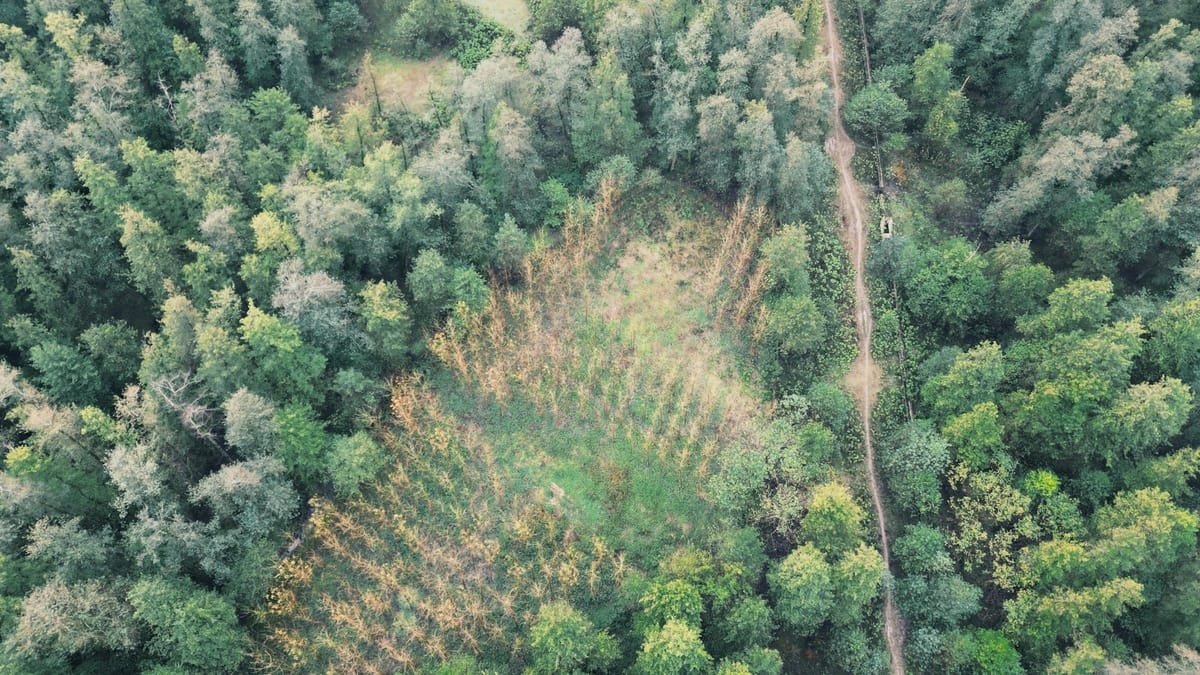
Carbon offsetting gets a bad press, sometimes justifiably. But used correctly, it can be a legitimate part of a business net zero strategy. This guide explains what to do, what to avoid, and what it will actually cost a UK business in 2026.
What offsetting actually means
Carbon offsetting means paying for emissions reductions or removals elsewhere to compensate for emissions you produce yourself. When a business buys a carbon credit and retires it against its own emissions, it can claim that tonne has been offset.
The key word is "compensate." Offsetting does not eliminate your emissions. It finances reductions or removals elsewhere. This is why offsetting should come after genuine reduction efforts, not instead of them. A business that buys cheap credits while making no effort to reduce its own emissions is engaged in greenwashing risk, not climate action.
Where offsetting fits in a net zero strategy
The most widely accepted framework, used by the Science Based Targets initiative (SBTi), the Gold Standard and most serious corporate net zero plans, places offsetting at the end of a mitigation hierarchy:
- Measure your emissions (Scope 1, 2, and material Scope 3)
- Reduce emissions in line with a science-based pathway
- Address residual emissions that cannot yet be eliminated with high-quality credits
The Science Based Targets initiative's Net-Zero Standard specifies that companies must make deep value-chain reductions before using neutralisation for residual emissions. This is stricter than many businesses have historically applied because it rules out reaching "net zero" by simply buying enough credits to cancel out current emission levels. Our SBTi explainer covers how science-based targets work and why the framework changed after the 2024 controversy over Scope 3 offsets.
What types of credits should UK businesses buy?
For UK businesses making voluntary net zero commitments, the categories most likely to withstand scrutiny are:
Gold Standard cookstove and household energy projects - often associated with SDG (Sustainable Development Goal) benefits, but still requiring project-level checks.
Blue carbon (mangrove and seagrass restoration) - potentially strong biodiversity co-benefits, but permanence, community rights and baseline assumptions still matter.
Reforestation and ARR (afforestation, reforestation and revegetation) projects - require careful selection because fire, disease, land tenure and long monitoring periods can affect permanence.
Biochar removal credits - typically more expensive than avoidance credits, but often easier to explain as a durable carbon removal where methodology and monitoring are strong.
Avoid: plain REDD+ (reducing emissions from deforestation and forest degradation) avoidance credits below $8/t, old vintage renewable energy credits, and any project without a verifiable buffer pool or clear registry retirement record.
How to choose the right volume
The volume of credits should be based on a measured footprint, not a round marketing number. Start with the reporting period, usually the latest financial year, then decide which emissions are in scope. For most UK small and medium-sized enterprises, a first voluntary claim should at least cover Scope 1 and Scope 2 emissions and be clear about whether Scope 3 emissions are included.
If Scope 3 is only partly measured, do not hide that. It is better to say that the company has offset measured operational emissions while improving supply-chain data than to imply that the whole value chain has been neutralised. For the measurement step, use our guide to calculating a business carbon footprint.
| Claim type | Minimum evidence to keep | Main risk |
|---|---|---|
| Offsetting operational emissions | Scope 1 and Scope 2 calculation, emissions factors, credit retirement record. | Readers may assume the whole business footprint is covered. |
| Carbon neutral product or service | Product boundary, lifecycle assumptions, residual emissions, credit details. | The product claim may imply more coverage than the calculation supports. |
| Residual emissions in a net zero plan | Reduction pathway, residual emissions definition, removal or credit strategy. | Offsetting may look like a substitute for reductions if the plan is vague. |
What does it cost for a typical UK SME?
| Business type | Typical annual footprint | Offset cost (Gold Standard ~$20/t) | Offset cost (biochar ~$150/t) |
|---|---|---|---|
| Professional services firm, 20 staff | 40-80t CO₂e | £640-1,280 | £4,800-9,600 |
| Retail shop with delivery operations | 80-200t CO₂e | £1,280-3,200 | £9,600-24,000 |
| Small manufacturer, 50 staff | 200-600t CO₂e | £3,200-9,600 | £24,000-72,000 |
Tool via The Carbon Workbench
These ranges assume USD/GBP at approximately 0.80. Prices fluctuate - always check current market rates before budgeting. The Carbon Workbench Verification Cost Estimator provides current cost estimates for different project types and scales.
How to buy credits as a UK business
The main routes for UK businesses are:
Directly from project developers - larger volumes, more control over project selection, and more due diligence responsibility.
Via carbon brokers - brokers aggregate supply and handle registry retirement. This can suit SMEs that need support, but the buyer should still understand what is being retired.
Via offset platforms - curated platforms can make smaller purchases easier, but convenience should not replace due diligence.
Whichever route you use, ask for: the registry retirement certificate, the project ID and standard, the vintage year, and confirmation that the credits have not been double-counted or pre-sold.
How to word offset claims safely
The wording of the claim matters as much as the credit. A cautious claim explains what has been measured, what has been reduced, what has been offset, and what evidence is available. It avoids suggesting that the business has no climate impact.
| Risky wording | Better wording |
|---|---|
| We are now carbon neutral. | We have measured and retired credits for our 2026 Scope 1 and Scope 2 emissions while continuing to reduce our operational footprint. |
| This product has zero emissions. | We have estimated the product footprint and retired credits for the residual emissions in this defined boundary. |
| Our offsets make us net zero. | Offsets are used only for residual emissions that remain after reduction actions in our carbon reduction plan. |
Before publishing a claim, read the green claims checklist and keep the exact wording with the evidence file. That makes future review easier if a customer, investor, regulator or journalist asks for support.
Key takeaway
Carbon offsetting is legitimate when used at the end of a genuine reduction strategy, not as a substitute for it. For residual emissions, expect to pay £10-30/t for defensible avoidance credits and £80-200/t for removal credits. Always get a registry retirement certificate and verify it independently.
Carbon offsetting FAQ
Can a UK business call itself carbon neutral?
Only with care. The business needs a clear footprint boundary, calculation method, reduction plan, credit details and retirement evidence. Broad claims are higher risk if they rely on offsets without showing what has actually been reduced.
Should SMEs buy removals only?
Not always. High-quality removals are useful for residual emissions, but they can be expensive. A small business may use a blended approach while it focuses most budget on measurement, reductions and better operations.
What evidence should be kept?
Keep the footprint calculation, emissions factors, reduction plan, supplier records, credit invoice, project documents, registry retirement certificate and the exact wording of any public claim.
Let the claim decide the evidence
The evidence needed for offsetting depends on the claim a business wants to make. A private contribution claim may need a clear record of retirement and project selection. A public carbon neutral claim needs much stronger wording, boundaries, emissions data and legal review. A net zero claim should prioritise reductions and explain the limited role of credits.
This is where many businesses get into trouble. They buy credits first, then decide what to say later. A safer sequence is to define the claim, calculate the relevant emissions, reduce what can be reduced, select credits that match the claim, retire them transparently and keep the evidence. The stronger the public wording, the stronger the evidence needs to be. Offsetting can fund climate projects, but it does not make a vague or overbroad claim safe.