
What is greenwashing - and how do you spot it?
Greenwashing means making environmental claims that are misleading, unsubstantiated or simply false.
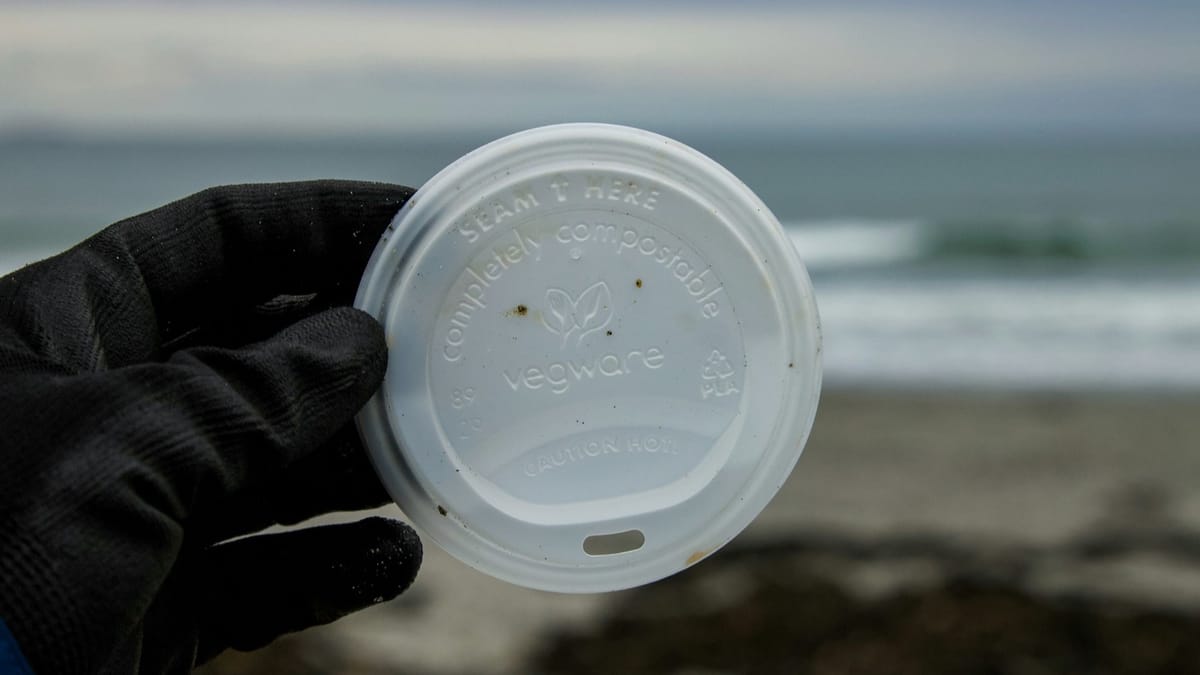
Greenwashing means making environmental claims that are misleading, unsubstantiated or simply false. It has become one of the most regulated areas of sustainability because customers, investors and regulators are no longer willing to accept vague green language at face value. This guide explains what greenwashing is, where the legal risk sits, and how businesses can reduce claim risk.
What is greenwashing?
Greenwashing occurs when an organisation makes environmental claims that create a false or misleading impression of its sustainability credentials. It ranges from deliberate deception to well-intentioned claims that turn out not to hold up to scrutiny.
Common forms include: vague claims ("eco-friendly," "sustainable," "green") without substantiation; cherry-picking one positive attribute while ignoring significant negatives; claims based on a single life cycle stage that ignore the full picture; misleading use of imagery (green colours, natural imagery) that implies environmental credentials the product does not have; and false or unverified certifications.
A note on intent
Greenwashing does not require intent to deceive. Regulators in both the UK and EU assess claims on their effect on consumers, not the intentions of the company making them. A genuinely well-meaning claim that misleads is still a problem under current and forthcoming rules.
The regulatory landscape in 2026
The legal risk around greenwashing has increased substantially. UK CMA (Competition and Markets Authority) guidance, EU consumer-protection changes, FCA (Financial Conduct Authority) rules for financial promotions and wider EU green-claims policy now shape what UK and EU-facing businesses can claim.
UK Competition and Markets Authority (CMA): Green Claims Code. The CMA's Green Claims Code sets out six principles: claims must be truthful and accurate, clear and unambiguous, not omit or hide relevant information, compare on a fair and meaningful basis, consider the full life cycle of the product, and be substantiated. The CMA has investigated sectors including fashion, FMCG and financial services, and has powers to take enforcement action.
EU environmental claims rules. EU consumer-protection reforms go further than general advertising guidance. The direction of travel is toward explicit environmental claims being specific, scientifically substantiated, independently checkable and clear about whether offsets are being used. Claims that rely on carbon offsets to assert environmental neutrality ("carbon neutral delivery," "climate neutral product") are especially sensitive because they can imply zero emissions where emissions still exist.
High-risk claim types
| Claim type | Risk level | Why |
|---|---|---|
| "Carbon neutral" product or service | High | Requires a clear footprint boundary, reduction evidence and credible offset methodology; offset use should be transparently disclosed |
| "Sustainable" without qualification | High | Too vague to be substantiated; CMA Code explicitly flags this as a problematic claim type |
| "Eco-friendly" or "green" | High | Vague comparative claims without a specified benchmark or scope are unsubstantiable |
| "Made from recycled materials" | Medium | Generally acceptable if accurate and the percentage is disclosed; misleading if used to imply broader sustainability |
| Third-party certification logos | Low-medium | Acceptable if genuine; risk arises if the scheme is not credible or the scope is misrepresented |
| "Net zero by 2040" | Medium-high | Acceptable if a credible, science-based transition plan exists; problematic if it is aspirational without a pathway |
Carbon offset claims: the highest-risk area
Claims of carbon or climate neutrality based on offset purchases are currently under the most scrutiny. A defensible claim should disclose the use of offsets explicitly, describe the offset standard used, state the vintage and project type, identify the retirement record, and avoid implying that offsets mean zero emissions.
In practice, this means that "carbon neutral delivery" or "net zero product" claims made purely on the basis of credit purchases, without underlying emissions reduction, are likely to be treated as high risk. A business can still explain that it funds carbon projects, but it should avoid language that implies the product or service has no climate impact.
Mega-events raise the same issue at a different scale. Our World Cup climate impact guide shows how travel emissions, offset language and post-event reporting can shape whether a sustainability claim feels credible.
How to protect your business
The practical steps are not complicated, but they require discipline:
Be specific about scope. "Our packaging is made from 80% recycled materials" is substantiable. "Our packaging is sustainable" is not. Every environmental claim should have a defined scope, methodology, and evidence base.
Get third-party verification for material claims. Independent verification from a credible provider can add both legal protection and credibility with customers and investors. Self-certification or a private badge created by the brand itself is much weaker.
Keep evidence on file. The CMA Code requires that businesses hold the evidence to support their claims before making them, not after. If a claim cannot be substantiated from existing evidence, it should not be made.
Audit claims before rules tighten further. UK businesses selling into EU markets or operating EU subsidiaries should audit marketing claims against CMA principles, EU consumer-protection rules and the direction of EU green-claims policy. Non-compliance can become an enforcement issue, not just a reputational issue.
How to review a claim before publishing
A simple review process catches many problems before they reach a website, advert or sales deck. First, write the exact claim in a spreadsheet. Second, define the scope: product, packaging, delivery, company operations or full life cycle. Third, attach evidence that existed before the claim was made. Fourth, ask whether a reasonable customer could take a broader meaning than intended. Fifth, record who approved the wording and when it should be reviewed again.
This process is especially useful for small businesses because it creates a claims file without requiring a full legal department. It also makes future edits easier. If the evidence changes, the claim can be updated quickly rather than rediscovered during a complaint, customer challenge or regulator review.
Related guides
For product and marketing claims, use this article with the green claims checklist. For investment claims, read the sustainable fund greenwashing guide. For carbon neutral or offset-based wording, compare the claim with our carbon credit quality checklist and net zero vs carbon neutral guide.
Why vague truth can still mislead
Greenwashing is not only about false statements. A claim can be technically true and still misleading if it leaves out the boundary, scale or trade-off that a reasonable reader would need. For example, a product may use recycled packaging while the main environmental impact sits in manufacturing, transport or use. A company may buy renewable electricity for offices while ignoring supply-chain emissions.
That is why good green claims should be specific, evidenced and proportionate. They should say what changed, where it applies, when it happened and what remains outside the claim. Vague words such as eco, green, sustainable or climate friendly create risk when they are not anchored to evidence. The most credible claims tend to be narrower. They may sound less exciting, but they are easier to defend because the reader can understand exactly what is being claimed.
Useful source links
- UK CMA: Green Claims Code
- Directive (EU) 2024/825 on empowering consumers for the green transition
- European Commission: green claims
- FCA anti-greenwashing rule
FAQ
Can a true claim still be greenwashing?
Yes. A claim can be technically true but still misleading if it leaves out important context. For example, saying a product uses recycled packaging may be accurate, but it can still mislead if the overall impression is that the whole product is environmentally positive when the evidence does not support that.
Are carbon neutral claims still allowed?
They are increasingly high risk. A defensible claim needs a measured footprint, clear boundary, reduction evidence, transparent offset information and careful wording. Claims that imply no emissions because offsets were purchased are particularly vulnerable.
What evidence should a business keep?
Keep calculation methods, supplier evidence, certifications, product data, emissions factors, life cycle assumptions, sign-off records and copies of the exact claims made. The evidence should exist before the claim is published.
Key takeaway
Greenwashing risk is no longer reputational only. It is increasingly a legal risk under the CMA Green Claims Code, EU consumer-protection rules and wider EU green-claims policy. Claims must be specific, substantiated and verifiable. Vague terms like "eco-friendly" and "sustainable" without qualification are problematic. Carbon neutrality claims based solely on offset purchases require transparent disclosure of the offset methodology and are under specific regulatory scrutiny.