
Carbon project field kit: the practical equipment developers actually need
A carbon project field kit does not need to be expensive on day one. It needs to help you prove where work happened, what was measured, who measured it, when evidence was collected and whether the data can survive...
Affiliate disclosure
This guide includes Amazon affiliate links for field equipment such as GPS devices, cameras, notebooks, power banks and safety kit. The Planet Brief may earn from qualifying purchases. Links are included to help readers compare practical options, not as a guarantee that a specific product is the best choice for every project.
A carbon project field kit does not need to be expensive on day one. It needs to help you prove where work happened, what was measured, who measured it, when evidence was collected and whether the data can survive validation, verification and buyer questions later.
Quick picks
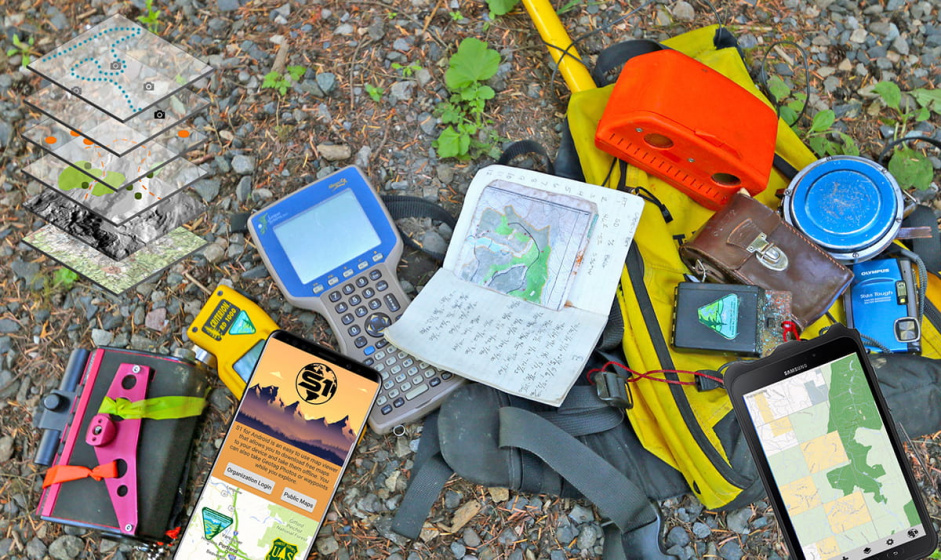
For most early-stage carbon projects, the best first purchases are boring: reliable location capture, clear photo evidence, offline notes, repeatable sample handling, backup power and basic safety kit. Specialist equipment can come later, once the methodology and monitoring plan are clearer.
| Field need | Examples to compare | What to check before buying |
|---|---|---|
| Location records | Garmin eTrex SE or Garmin GPSMAP 67 | Battery life, waypoint export, ruggedness, coordinate format and whether your survey workflow needs sub-metre accuracy. |
| Photo evidence | OM System TG-7 rugged camera or DJI Osmo Action 5 Pro | Water resistance, date and time settings, image quality, spare batteries, storage cards and whether a phone camera is enough. |
| Field notes | Rite in the Rain notebooks and waterproof pens | Weather resistance, page numbering, chain-of-custody notes and whether paper notes are backed up digitally. |
| Power backup | Anker 325 Power Bank, VEGER 30,000mAh power bank or Baseus 65W power bank | Real device charging needs, USB-C output, airline rules, weather protection and cable redundancy. |
| Safety basics | BS8599-1 first aid kit, JSP EVOlite helmet and Portwest hi-vis jacket | Local site risks, contractor requirements, field access, weather, lone working and whether gas monitoring or specialist personal protective equipment is needed. |
Related guides
- Gold Standard vs Verra vs Puro.earth
- Carbon credit quality checklist
- Field data collection tools for carbon projects
- Forestry carbon survey field kit
- Biochar carbon project field kit
- Portable power for carbon fieldwork
The purpose of the kit
Carbon project equipment is not just outdoor gear. It is evidence infrastructure. A validator, verifier, buyer or internal reviewer may later ask how a plot was located, how a sample was labelled, how a photo can be tied to a location, how field measurements were transferred into a monitoring file and what controls prevented accidental data loss.
That is why the best kit is not always the most expensive kit. A reliable phone, a simple GPS (Global Positioning System) receiver, a weatherproof notebook, a consistent file-naming system and a backup battery can be more useful than an impressive device that nobody uses correctly. Your first goal is repeatability. Two field teams should be able to follow the same checklist and produce evidence that looks like it came from the same project.
Start with the methodology, not the shopping list
Before buying equipment, identify the carbon standard, methodology and monitoring, reporting and verification (MRV) requirements that are likely to apply. A forestry project, a biochar facility, a soil carbon project and a cookstove distribution project do not need the same kit. Verra's Verified Carbon Standard (VCS), Gold Standard for the Global Goals (GS4GG) and Puro.earth methodologies all expect credible monitoring, but the evidence format, sampling burden and audit trail can differ significantly.
The Carbon Workbench methodology tools are useful at this stage because they help narrow the likely project pathway before you overbuy hardware. Use the Carbon Methodology Selector to think through project type, region, evidence burden and registry fit. Then build the field kit around the monitoring plan rather than around a generic climate-tech shopping list.
The starter kit for most teams
| Layer | What it does | Typical early purchase | Upgrade trigger |
|---|---|---|---|
| Location | Confirms where surveys, samples or activities happened. | Phone GPS plus handheld GPS receiver for waypoints. | You need higher accuracy, repeat surveys or formal plot boundaries. |
| Evidence capture | Documents baseline conditions, installation, sampling and site condition. | Phone camera or rugged compact camera with consistent naming. | Wet, dusty, remote or high-frequency fieldwork makes phones too fragile. |
| Data collection | Turns field observations into structured records. | Offline forms on Android phones or tablets. | Multiple teams, complex forms, version control or supervisor review are needed. |
| Power | Keeps phones, tablets, GPS units and cameras working through a field day. | USB-C power bank, spare cables and charging checklist. | Multi-day fieldwork, laptops, drones or cold weather reduce battery margin. |
| Chain of custody | Protects sample identity from field to lab or storage. | Labels, sample bags, field log and photo evidence. | Third-party lab analysis, verifier sampling or regulated handling requirements apply. |
Project-specific equipment
Forestry and woodland projects usually need careful plot location, tree measurements, repeat photography and field forms. A basic forestry kit may include GPS, diameter tape, measuring tape, clinometer, rugged camera, field notebook, sample tags and spare power. If drones are used, the operator must follow applicable drone rules and avoid treating drone imagery as a replacement for methodology-required measurements.
Biochar projects often need stronger process evidence: feedstock records, production temperature logs, batch identifiers, sampling records, storage photos and lab submissions. The field kit is closer to a chain-of-custody and quality-control kit than a pure outdoor survey kit. Sample bags, labels, temperature logging, storage controls and clear batch documentation matter.
Soil carbon projects can quickly become sampling intensive. Buying random soil gadgets is rarely the answer. The priority is a statistically defensible sampling plan, clean tools, consistent depth, contamination control, labelled bags, field coordinates and lab-ready documentation.
Community and household projects, such as clean cooking or device distribution programmes, may rely more heavily on structured surveys, beneficiary records, serial numbers, photos, consent handling and follow-up visits. Phones, offline forms, QR (quick response) labels, battery packs and supervisor review workflows often matter more than specialist environmental sensors.
Do not buy everything at once
Overbuying creates two problems. First, it burns cash before the project has proven its methodology and buyer fit. Second, it creates inconsistent data when teams use too many tools without a single evidence protocol. A good first procurement pass should answer five questions:
- What evidence will a validator or verifier actually ask for?
- Which items are needed to collect that evidence safely and repeatably?
- Which items can be borrowed, rented or delayed until the monitoring plan is final?
- Who owns data quality in the field?
- How will photos, coordinates, forms and samples be backed up?
If you cannot answer those questions, buying more equipment will not fix the project. It may only make the evidence trail harder to manage.
Procurement rules for a project team
For a real project team, buying kit should be treated like a control process. Decide who approves equipment, who maintains it, who stores calibration or warranty records, and who signs kit in and out before fieldwork. This is not bureaucracy for its own sake. It prevents evidence quality from depending on whoever happened to bring their personal phone, charger or notebook.
| Control | Practical rule | Why it matters |
|---|---|---|
| Kit owner | Assign one person to maintain the field kit list. | Stops batteries, cables, labels and forms from drifting between teams. |
| Evidence folder | Create a standard folder structure before the first visit. | Makes photos, GPS files, forms and sample records easier to audit. |
| Field checklist | Use the same departure and return checklist every time. | Catches missing power, labels, notebooks and safety items early. |
| Device setup | Set time zone, coordinate format, app versions and naming rules. | Reduces inconsistent evidence across teams and monitoring periods. |
What buyers and verifiers may ask later
Carbon credit buyers and verifiers rarely care which brand of notebook or GPS receiver you bought. They care whether the evidence supports the claim. A buyer may ask whether site boundaries are clear, whether photos can be tied to dates and locations, whether samples were handled consistently, and whether field records match the monitoring report.
That is why the kit needs to support a story that can be reconstructed later. A strong evidence file can show baseline conditions, project activity, monitoring results, quality checks and exceptions. A weak file contains useful pieces but no obvious chain between them.
When to rent or borrow specialist kit
Some equipment should not be bought too early. Drones, specialist survey equipment, laboratory instruments and high-accuracy positioning systems can be expensive and methodology-specific. If a project only needs them occasionally, renting or using a qualified contractor may be cheaper and more credible than owning equipment the team is not trained to use.
The same applies to safety equipment. If work involves confined spaces, hazardous gases, boats, chainsaws, difficult terrain or industrial sites, the right answer may be specialist training and contractor support, not a larger online shopping basket.
Starter kit vs validation kit
There is a useful difference between a starter kit and a validation kit. A starter kit helps a team scope sites, collect early evidence, test forms and understand field constraints. A validation kit is stricter. It must align with the methodology, sampling plan, monitoring report and any validator expectations. The mistake is letting starter-kit habits become formal evidence habits without review.
Before validation, run a gap check. Are coordinates recorded consistently? Are photos named and stored properly? Are sample labels durable? Are field forms version-controlled? Are safety records and training records available? If not, fix the workflow before buying specialist equipment.
Related field kit guides
- Field data collection tools for carbon projects
- Forestry carbon survey field kit
- Biochar carbon project field kit
- Portable power for carbon fieldwork
Useful sources
- Verra Verified Carbon Standard programme
- Gold Standard standards and requirements
- Puro.earth biochar carbon removal methodology
- ODK Collect documentation
- UK Civil Aviation Authority Drone and Model Aircraft Code
Bottom line
Buy the equipment that protects evidence quality first: location, photos, forms, labels, power and safety. Specialist sensors and drones can be useful, but only after the methodology and monitoring plan justify them.