
England peatland restoration progress 2026: the 26,426 hectare test
England peatland restoration progress 2026: National Audit Office data shows 26,426 hectares restored from 2020-21 to 2024-25, but only 76% of the target.
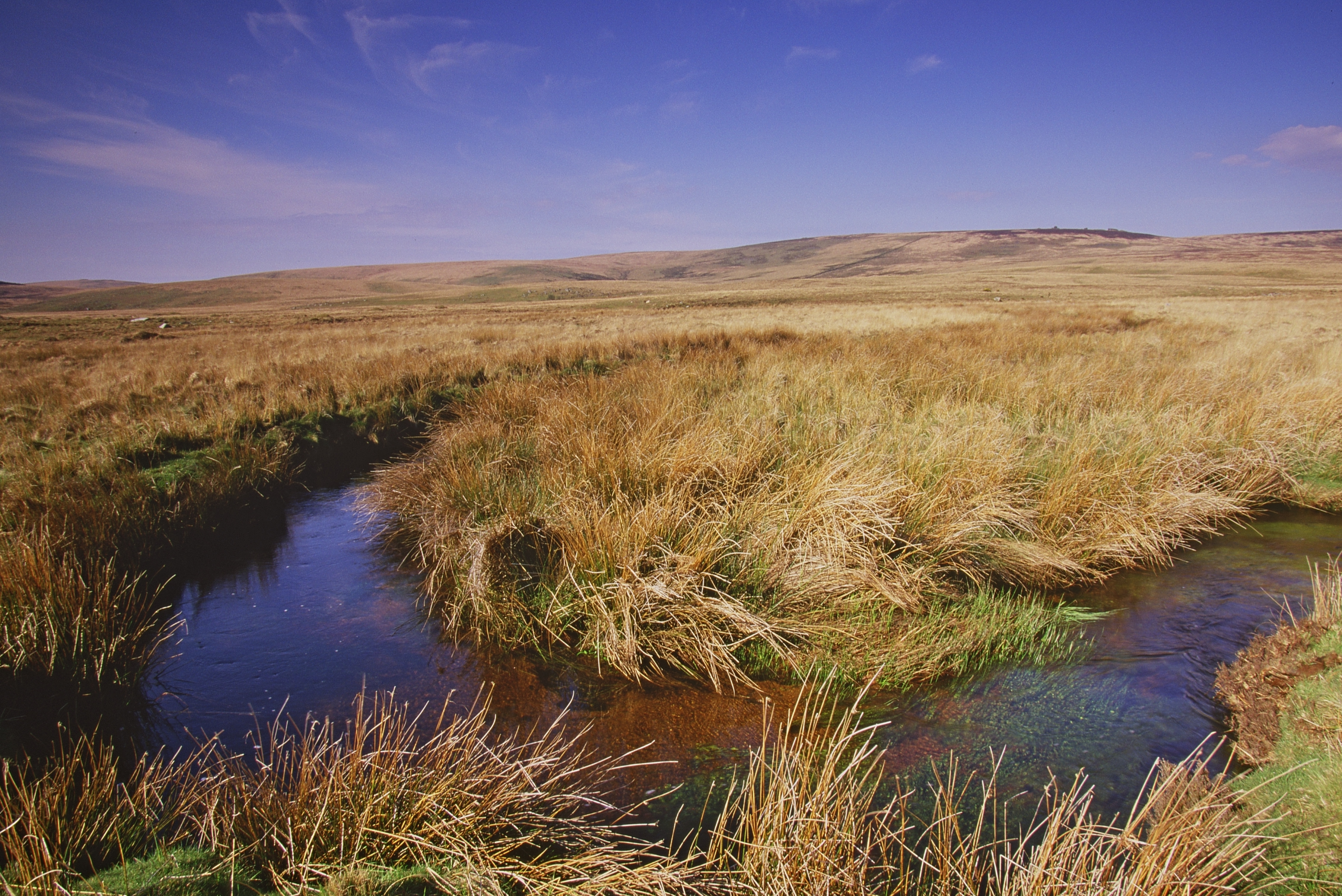
England restored 26,426 hectares of peatland from 2020-21 to 2024-25, according to the National Audit Office. That is real climate and nature progress. It was also 76% of the target, so the story is not "job done". It is a test of whether early restoration capacity can scale.
Information only
This article is for general information only. It is not legal advice, regulatory advice, land-management advice or a recommendation. Peatland policy, funding schemes, restoration definitions and delivery data can change, so check current official source documents before relying on any figure for a decision.
Peatland restoration is easy to underread because it does not look like a new wind farm, electric bus fleet or factory investment. It is slower and less visible. But damaged peatlands matter because they can release carbon, lose water-storage function, increase fire risk, damage habitat and weaken resilience to heavy rain and drought.
That makes the latest official number worth watching. The positive signal is that England now has a larger restoration base than it did before the Nature for Climate Fund period. The same land and water lens also sits behind England's wildlife-rich habitat progress and England's beaver reintroduction progress, where national habitat recovery and native species comeback have to be managed place by place. The delivery warning is that the peatland programme did not hit the full target, and Natural England's 2026 roadmap points to a much larger 2050 ambition.
Quick answer
| Question | Short answer |
|---|---|
| What is the progress signal? | The National Audit Office says total peatland restoration in England reached 26,426 hectares from 2020-21 to 2024-25. |
| Did England meet the target? | No. The National Audit Office says that total was 76% of the 35,000 hectare peatland restoration target for the period. |
| Why does peatland restoration matter? | Restored peatlands can support carbon storage, biodiversity, water management and climate resilience. Damaged peatlands can become an emissions and adaptation problem. |
| What is the bigger delivery test? | Natural England's June 2026 Peatland Restoration Roadmap points to an ambition to bring 280,000 hectares of peatland under restoration by 2050. |
| How should readers judge it? | Positive progress, but not yet proof that England has a delivery system large enough for the long-term restoration target. |
The number that matters
Progress signal
26,426 hectares is the number to remember. It shows that peatland restoration moved during the 2020-21 to 2024-25 funding period. The 76% target result keeps the judgement grounded: delivery improved, but not enough to meet the original ambition.
The National Audit Office's March 2026 report on the Nature for Climate Fund says the Department for Environment, Food and Rural Affairs (Defra) had targets for England of at least 7,500 hectares of annual tree planting and 35,000 hectares of peatland restoration from 2020-21 to 2024-25.
Its press release says total peatland restoration in England during that period reached 26,426 hectares, or 76% of the target. It also says the Nature for Climate Fund programme itself delivered 23,526 hectares of restored peatland, equal to 67% of the target. That distinction matters. The larger figure is the total England restoration signal. The smaller figure is the programme-specific delivery signal.
Both point in the same direction: restoration capacity increased, but delivery did not reach the planned scale. The evidence is positive enough to matter, and bounded enough to be credible.
What the evidence shows
| Evidence | Boundary | How to read it |
|---|---|---|
| 26,426 hectares restored | Total peatland restoration in England from 2020-21 to 2024-25, as reported by the National Audit Office. | A clear positive restoration signal across the completed funding period. |
| 76% of target | Comparison with Defra's 35,000 hectare peatland restoration target for the same period. | Progress, but not full delivery against the headline target. |
| 23,526 hectares through the programme | Restored peatland delivered through the Nature for Climate Fund programme, as cited by the National Audit Office press release. | Shows the programme contribution, separate from total England restoration. |
| 924 million pound programme budget | The Nature for Climate Fund budget up to March 2025, covering tree planting and peatland restoration commitments. | The restoration result should be read as part of a funded delivery programme, not a spontaneous trend. |
| 280,000 hectares by 2050 | Natural England's June 2026 roadmap references the Environment Improvement Plan ambition to bring 280,000 hectares of peatland under restoration by 2050. | The early progress is meaningful, but the long-term scale is much larger. |
Why this is positive change
Peatlands are not just scenic landscapes. They are carbon-rich ecosystems. When peatlands are wet and functioning, they can store carbon and support distinctive habitats. When they are drained, degraded or repeatedly damaged, they can lose that function and become a climate liability.
That is why restoration matters for more than nature policy. It connects to net zero, adaptation, water management, wildfire risk and land-use choices. A restored peatland does not simply add a nice patch of habitat. It can change the direction of a system that may otherwise keep releasing carbon and losing resilience.
For the built-infrastructure side of adaptation, the companion Progress check on England flood defence progress tracks completed property protection and flood assets.
The 26,426 hectare figure is positive because it shows that restoration is not only an aspiration. There was measurable delivery over a five-year period. It also suggests that local partnerships, land managers, conservation bodies and public funding can move land-use outcomes when the programme is actually active.
For readers thinking about net zero, that matters because nature-based climate work is often discussed too loosely. The net zero guide explains why removals and natural sinks need careful treatment. Peatland restoration belongs in that conversation, but it should be judged by restoration evidence, long-term management and ecological function, not by a vague claim that nature will absorb the problem.
Why the missed target still matters
The missed target is not a reason to dismiss the progress. It is the reason to take the delivery system seriously. The National Audit Office conclusion is that the programme successfully instigated a step change in tree planting and peatland restoration activities in England, but did not achieve its headline targets.
It pointed to an awkward but familiar delivery pattern: ambitious targets were set before the enabling conditions were fully mature. Guidance, capacity, sector skills, stakeholder confidence and participation all take time to build. Peatland restoration is not only a funding decision. It requires sites, permissions, landowner agreement, practical expertise, monitoring, hydrology and long-term stewardship.
That is the useful lesson. England has evidence of restoration progress, but the next phase has to convert a funded programme into a repeatable delivery system. If that does not happen, the early hectares will still matter, but they will not be enough for the 2050 ambition.
The 2050 test
Natural England's Peatland Restoration Roadmap, published on 4 June 2026, sets out a pathway toward the ambition to bring 280,000 hectares of peatland under restoration by 2050. It also describes the need to define what "under restoration" means, because restoration is a process rather than a single moment.
That definition question is not bureaucratic detail. It decides what counts as progress. A site may have a restoration plan, physical interventions, blocked drains, rewetting work, vegetation recovery and long-term monitoring, but those stages are not identical. A serious progress tracker has to separate activity from restored function.
This is where peatland restoration differs from a simple construction metric. A battery is either connected or not. A bus is either in the fleet or not. A peatland site can be on a restoration trajectory for years. The evidence has to ask whether the land is moving toward natural function, not just whether an intervention happened.
What this does not prove
The 26,426 hectare figure does not prove that England's peatlands are now in good condition. It does not prove that emissions from degraded peat have been solved. It does not prove that every site will keep improving. It does not prove that restoration funding is now secure, or that enough skilled delivery capacity exists for the long-term target.
It also should not be treated as a carbon-credit figure. Peatland restoration can support carbon storage and avoided emissions, but that is not the same thing as a verified carbon credit, a retired unit or a corporate offset claim. The carbon removal credits guide explains why storage, measurement, permanence and claim wording matter.
The closest nature-market comparison in the current TPB library is the UK Woodland Carbon Code progress check. That article separates validated woodland creation from verified carbon units. Peatland restoration needs a similar discipline: hectares under restoration are meaningful, but they are not the same as fully proven climate outcomes.
What would improve the verdict
The verdict would improve if future official updates show restoration continuing after the Nature for Climate Fund period rather than dropping back as the initial programme ends. It would also improve if the Peatland Restoration Roadmap becomes easier to track publicly, with clearer information on planned sites, active interventions, restoration stage, funding status and ecological outcomes.
More private and blended finance could help if it comes with robust standards and avoids overclaiming. The National Audit Office specifically points to the need to create conditions that attract private investment in nature restoration. That can be useful, but only if the evidence remains honest about what has been restored, what is projected and who is making the claim.
The bigger improvement would be confidence that peatland restoration is becoming an operating system rather than a project cycle. That means enough skilled people, clear rules, stable funding, willing land managers, practical monitoring and a shared definition of restoration progress.
What would weaken the verdict
The verdict would weaken if restoration slows after the 2020-21 to 2024-25 funding period, if the planned restoration list proves too thin, or if delivery relies on announcements rather than visible hectares and site outcomes.
It would also weaken if peatland restoration becomes a source of loose climate claims. A restored site can be valuable for carbon, nature and resilience, but public bodies, companies and land-market participants should not turn hectares into overstated emissions claims without clear measurement and permanence evidence. The same caution applies to carbon offsetting for businesses: the claim has to match the evidence.
What to watch next
- Whether Defra and delivery partners maintain restoration momentum after the Nature for Climate Fund period.
- Whether Natural England's roadmap becomes easier to track in public.
- Whether future reporting separates planned, active, completed and functioning restoration stages.
- Whether restoration outcomes are linked to water, biodiversity, emissions and resilience evidence rather than hectares alone.
- Whether private finance supports restoration without creating weak carbon or nature claims.
- Whether land-use pressure, skills, guidance or funding gaps slow the 2050 pathway.
The useful conclusion is deliberately balanced. England's peatland restoration progress is real. The five-year delivery figure is too large to ignore. But the long-term test is no longer whether peatland restoration can happen. It is whether England can make restoration normal enough, funded enough and well-measured enough to reach the next scale.
Data checked
This article was checked on 28 June 2026 against the National Audit Office's March 2026 Nature for Climate Fund report and press release, Natural England's Peatland Restoration Roadmap record published on 4 June 2026, and GOV.UK's England Peat Action Plan page. The figures cover peatland restoration in England from 2020-21 to 2024-25 and should be reviewed after material Defra, National Audit Office or Natural England updates.
Useful source links
- National Audit Office: The Nature for Climate Fund
- National Audit Office: tree planting and peatland restoration schemes press release
- Natural England: Peatland Restoration Roadmap Final Report record
- GOV.UK: England Peat Action Plan
- Feature image source: Defra Environment blog, Open Government Licence v3.0