
UK long-duration electricity storage progress 2026: 16 projects move forward
UK long-duration electricity storage progress 2026: Ofgem has selected 16 projects totalling 7,645MW, making storage a more concrete part of clean power delivery.
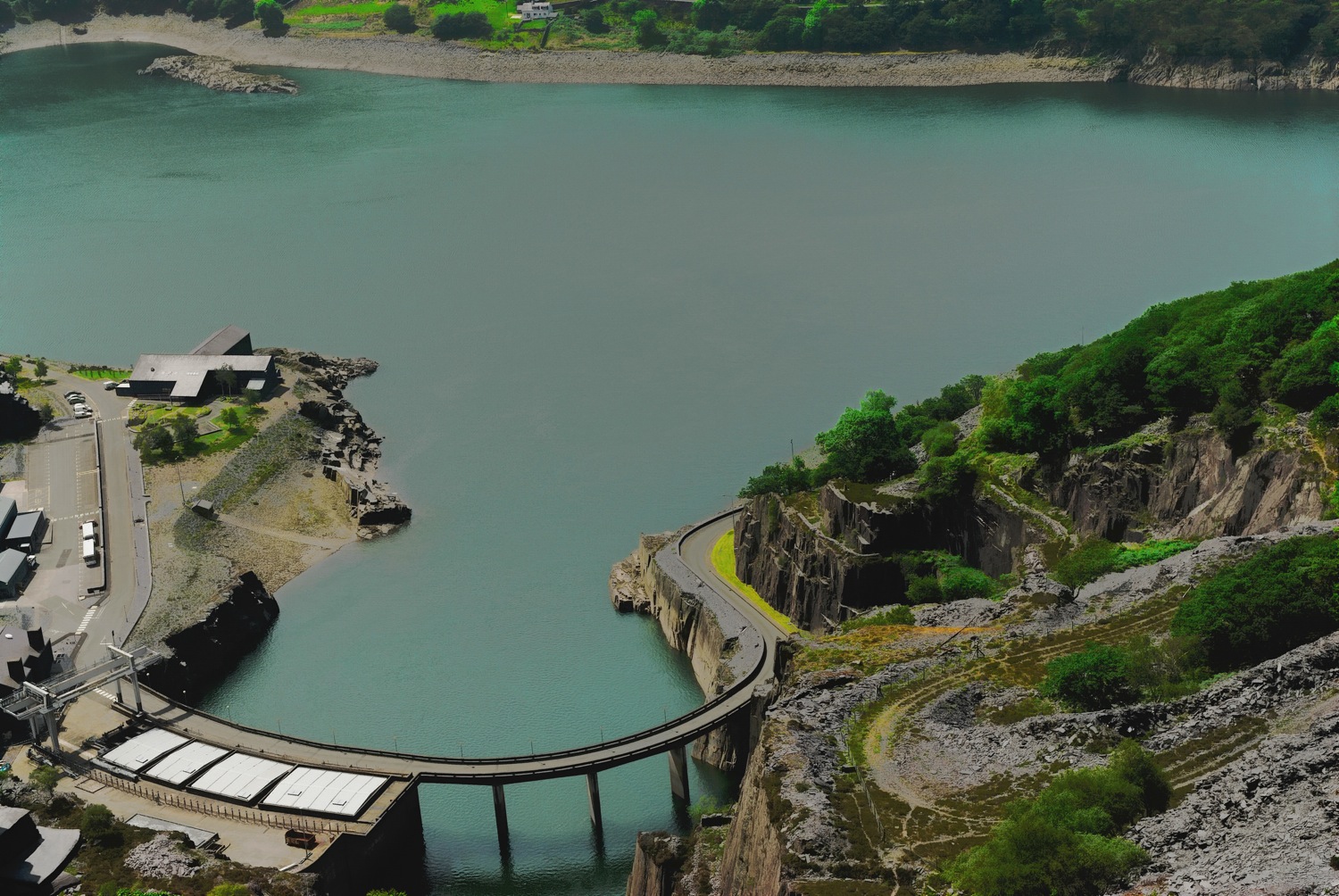
The United Kingdom (UK) has moved 16 long-duration electricity storage projects, totalling 7,645 megawatts (MW), closer to support under the first cap and floor window from the Office of Gas and Electricity Markets (Ofgem). It is not a switch-on moment. It is a sign that the UK is starting to build the part of clean power that waits.
Information only
This article is for general information only. It is not investment, financial, legal, regulatory, engineering, procurement or technical advice. Energy policy, project status, support decisions, planning consent and system data can change, so check the latest official source documents before relying on any figure for a decision.
Clean electricity does not only need more generation. It needs somewhere for the surplus to wait.
That is the useful way to read Ofgem's 26 June 2026 long-duration electricity storage decision. Wind and solar records are easier to see, but a cleaner power system also needs assets that can store electricity for longer gaps, help cover low-renewable periods and reduce the need to fall back on fossil generation when the weather is less helpful.
Long-duration electricity storage (LDES) is not the same story as ordinary short-duration battery growth. It includes technologies such as pumped storage hydro, compressed air and longer-duration batteries. The point is duration. These projects are designed to discharge over at least eight hours, with the longest minded-to project in the first Ofgem window listed at 32 hours.
Quick answer
| Question | Short answer |
|---|---|
| What happened? | Ofgem selected 16 projects it is minded to support under the first LDES cap and floor application window. |
| How much capacity is involved? | The portfolio totals 7,645MW, or about 7.6 gigawatts (GW). |
| What technologies are included? | Pumped storage hydro, compressed air energy storage, lithium-ion battery projects and a flow or zinc battery project. |
| Is this final? | No. It is a minded-to decision. The consultation closes on 7 August 2026, with final awards expected in autumn 2026. |
| Why is it progress? | The UK is moving from a policy need for longer storage toward named projects, assessed capacity and a support route that can make construction more investable. |
The number to remember
Progress signal
Ofgem's first minded-to long-duration storage portfolio includes 16 projects, 7,645MW of capacity and project durations ranging from eight to 32 hours.
The clean power significance is bigger than the number alone. The government's Clean Power 2030 plan points to 4 to 6GW of long-duration energy storage alongside 23 to 27GW of battery capacity. Ofgem's first minded-to portfolio sits above that 4 to 6GW range because the regulator expects some projects may not proceed and wants enough headroom to meet system need.
That makes the decision a useful progress marker rather than a finished result. It shows the storage need is no longer only an abstract target. It now has named projects, technologies, locations, durations and a route toward regulated support.
Why this is a good clean-power story
The feel-good part is simple: more storage makes a renewables-heavy grid easier to operate. When wind or solar output is high, storage can absorb electricity that might otherwise be wasted or sold at very low prices. When output falls, storage can give the system another option before gas generation has to do more work.
That is why this story belongs beside the recent Great Britain zero-carbon electricity record. A half-hour clean-power peak is impressive, but the next phase is making cleaner operation less dependent on perfect conditions. Longer storage helps turn short clean-power windows into something more durable.
It also sits beside the battery storage progress check. Batteries can respond quickly and are already becoming a serious part of the UK power system. LDES answers a different problem: what happens when the gap is not minutes or one evening, but many hours or potentially longer.
What Ofgem selected
The first window was competitive. Ofgem says more than 70 projects, representing nearly 30GW, participated in the assessment. The regulator's minded-to portfolio selected 16 projects across four broad technology groups.
| Technology group | Projects | Capacity | How to read it |
|---|---|---|---|
| Pumped storage hydro | 3 | 3,900MW | The largest capacity share, including Coire Glas, Earba and Loch Kemp in northern Scotland. |
| Lithium-ion battery storage | 11 | 3,630MW | Longer-duration battery projects, with listed durations from eight to just over 18 hours. |
| Compressed air energy storage | 1 | 50MW | A smaller project in north east England, listed at 30 hours. |
| Flow or zinc battery storage | 1 | 65MW | A north Wales project that adds technology diversity to the portfolio. |
The project mix matters because no single storage technology answers every grid problem. Pumped hydro can offer large capacity and long duration, but it needs the right geography and long development timelines. Battery projects can be more modular, but duration, degradation, economics and siting still matter. Compressed air and flow or zinc battery projects may add useful learning if they move from support into delivery.
How the cap and floor route changes the risk
The cap and floor model is designed for assets that may be valuable to the system but hard to finance on merchant revenues alone. In simple terms, it gives supported projects a minimum revenue floor and caps returns above a certain level. That can make investment easier while still protecting consumers from uncapped upside.
Ofgem says cap and floor payments are expected to be broadly neutral over time in direct bill terms, with wider system benefits improving outcomes for consumers. That is a regulator's expectation, not a guarantee. The final value will depend on which projects are built, how they operate, what they displace, and how the power system evolves.
The important progress point is that the UK has moved from saying long-duration storage is needed to testing which projects could receive a financeable support route. That is the difference between a target and a delivery mechanism.
What still has to happen
The minded-to decision does not mean 16 projects will be built. Ofgem's consultation runs until 7 August 2026. Final awards are expected in autumn 2026. Projects will still need to meet delivery requirements and conditions, and they may face planning, finance, grid connection, supply-chain, consenting and local acceptance hurdles.
That is especially important for pumped storage hydro. Big hydro infrastructure is not quick or frictionless. It can affect landscapes, water systems and local communities, and it normally needs long development timelines. A support decision improves the investment case, but it does not remove every practical decision between now and operation.
The best test over the next year is not whether the headline number sounds large. It is whether final awards are confirmed, milestones are met, grid connections progress and the projects move from regulatory support toward construction.
Why Reddit cared about the last power story
Progress stories travel when they make the transition feel less abstract. A clean-power record is easy to grasp because the grid ran with very little fossil generation for a short period. Storage has a similar appeal once it is made concrete: water moving between reservoirs, compressed air stored for later use, and batteries holding surplus electricity until the grid needs it.
Read this not as "problem solved", but as "one of the missing pieces has become more real." That is a positive story because it is about capability being built, not only targets being announced.
What would make this stronger
The strongest future evidence would be final awards, construction starts, confirmed connection dates and eventually operating data showing how often these projects store and discharge clean power. The outlook would change if Ofgem revises the selected portfolio after consultation, if major projects withdraw, or if a second application window materially changes the scale of the LDES project base.
There is a broader lesson here for the clean power transition. More renewable generation is essential, but it is not the whole answer. Grids, storage, demand flexibility and dispatchable backup decide whether clean electricity can become ordinary across more of the year.
FAQ
What is long-duration electricity storage?
Long-duration electricity storage is storage that can supply electricity over longer periods than typical short-duration batteries. Ofgem's first minded-to LDES portfolio includes projects with durations of at least eight hours.
Is long-duration storage the same as battery storage?
No. Battery storage is one form of electricity storage, and some longer-duration battery projects are included in the Ofgem portfolio. But LDES can also include pumped storage hydro, compressed air and other technologies designed for longer discharge periods.
Does this mean the UK has solved renewable intermittency?
No. It means a major support route for longer-duration storage is moving forward. Renewable intermittency still depends on grids, forecasting, demand flexibility, interconnectors, backup capacity, market rules and the actual delivery of storage projects.
When will the projects be confirmed?
Ofgem's consultation closes on 7 August 2026. Final cap and floor awards are expected in autumn 2026, subject to consultation responses and any delivery conditions.
Data checked
This article was checked on 3 July 2026 against Ofgem's 26 June 2026 long-duration electricity storage press release and first-window minded-to decision consultation, plus the UK government's Clean Power 2030 Action Plan. Ofgem's decision is not final, and project status, capacity, delivery conditions, planning consent and support-award details can change.