
UK CBAM 2027 explained: threshold, sectors and importer checklist
UK CBAM 2027 explained: the start date, sectors, GBP50,000 threshold, emissions scope, supplier data and importer preparation checks.
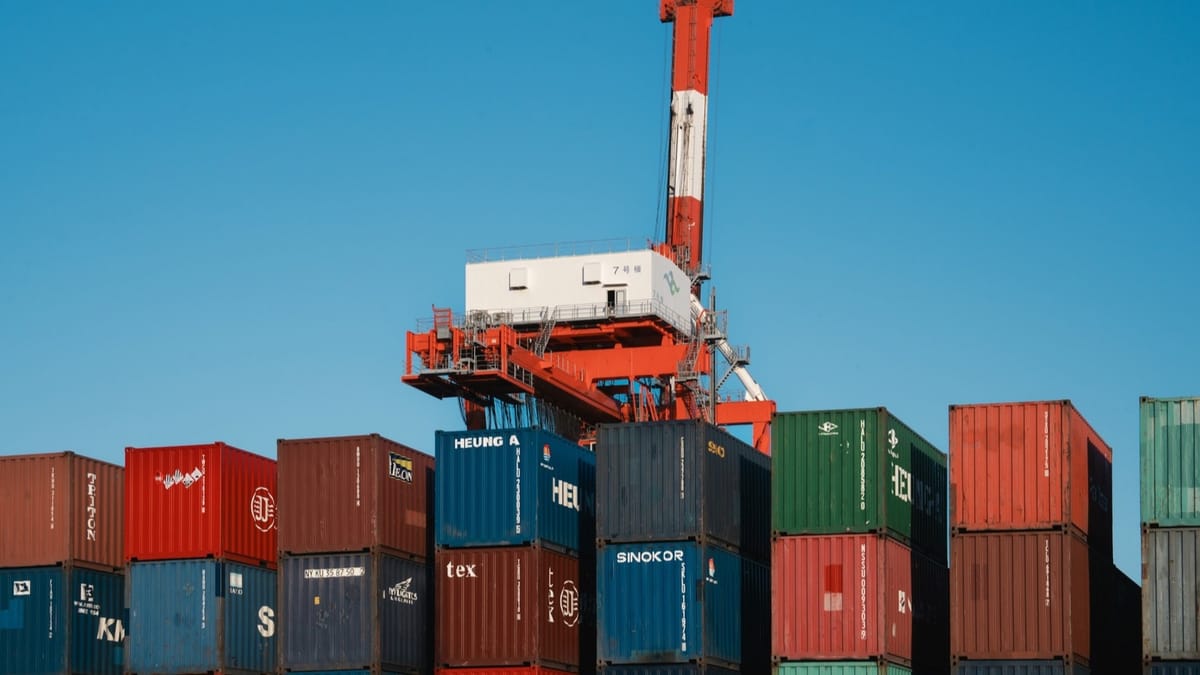
UK CBAM (Carbon Border Adjustment Mechanism) is due to start on 1 January 2027. It will place a carbon price on specified imported goods in emissions-intensive sectors. For importers, manufacturers and supply-chain teams, the practical question is not only whether the rule applies. It is whether product codes, supplier emissions data and customs ownership are ready before the first liability period begins.
The short answer
UK CBAM will apply to specified imports from the aluminium, cement, fertiliser, hydrogen, iron and steel sectors. Businesses importing GBP50,000 or more of specified CBAM goods over a 12-month period are expected to be directly affected. Businesses that use those goods in their supply chain may be indirectly affected through price changes, supplier data requests or procurement pressure.
The policy is designed to reduce carbon leakage. Carbon leakage happens when domestic producers face carbon costs, but buyers switch to imported goods from jurisdictions with weaker or no equivalent carbon pricing. CBAM tries to narrow that gap by applying a comparable carbon cost at the border.
What to check first
| Check | Why it matters | First owner |
|---|---|---|
| Commodity codes | Scope depends on specified CBAM goods, not broad product descriptions. | Customs or import team |
| 12-month import value | The GBP50,000 threshold decides whether direct registration and liability are likely. | Finance and customs |
| Supplier emissions data | Actual verified data may reduce reliance on default values and weak assumptions. | Procurement and sustainability |
| Precursor goods | Relevant upstream inputs can affect embodied-emissions calculations. | Procurement and product teams |
| Carbon price already paid | Qualifying overseas carbon pricing may reduce liability if evidence is available. | Finance and supplier management |
Why UK CBAM matters
UK CBAM sits at the intersection of carbon markets, industrial policy and trade. The UK already has the UK ETS, which prices emissions for covered domestic installations. Without a border mechanism, UK producers in carbon-intensive sectors can argue that they face a cost that overseas competitors may not face.
For wider policy context, read the climate policy and carbon markets guide, which explains how Paris, UNFCCC (United Nations Framework Convention on Climate Change), CBAM, CORSIA (Carbon Offsetting and Reduction Scheme for International Aviation) and emissions trading rules connect.
For businesses, the practical effect is that embodied carbon data moves closer to ordinary import operations. Customs classification, supplier declarations, production emissions, country of origin, precursor goods and carbon pricing evidence may all become important for procurement, pricing and compliance decisions.
Which sectors are in scope?
Based on current UK Government guidance, UK CBAM will apply to specific imported goods from these sectors:
- Aluminium.
- Cement.
- Fertiliser.
- Hydrogen.
- Iron and steel.
The important word is "specific". CBAM does not automatically apply to every product that contains metal, cement or fertiliser. Product scope is determined by commodity codes and official product lists. The UK Government has also said that glass and ceramics will not be in scope from 2027, although earlier proposals had considered them.
| Sector | Practical first check | Why it matters |
|---|---|---|
| Aluminium | Map imported aluminium goods against commodity codes. | Not every downstream product containing aluminium will automatically be in scope. |
| Cement | Identify cement and cement-related imports used directly or through distributors. | Construction supply chains may feel price or data pressure even when they are not the importer. |
| Fertiliser | Check imported fertiliser products and supplier emissions data availability. | Production emissions can be material and supplier data may be hard to obtain late. |
| Hydrogen | Confirm whether imported hydrogen products fall within the final product list. | Low-carbon claims and production route evidence may become commercially relevant. |
| Iron and steel | Map steel inputs, semi-finished products and relevant precursor goods. | Steel can sit deep in supply chains, so procurement teams need early code and supplier checks. |
Who is likely to be affected?
The most directly affected businesses are importers of specified CBAM goods. A manufacturer importing steel inputs, a distributor importing aluminium products, or a construction supply business importing cement-related goods could all need to assess whether they cross the threshold and whether their products are in scope.
But the indirect effect could be wider. A company buying components from a UK distributor may not be the importer of record, but may still face higher prices or receive requests for product-level emissions information. Procurement teams should not assume CBAM is irrelevant just because they do not personally file customs declarations.
What emissions are relevant?
UK guidance says CBAM will apply to direct emissions embodied in imported CBAM goods, including emissions embodied in relevant precursor goods further up the value chain. The inclusion of indirect emissions associated with electricity use has been delayed until 2029 at the earliest.
Direct emissions are produced by the manufacturing process itself. Indirect emissions are associated with purchased energy, such as electricity used during production. For energy-intensive products, indirect emissions can be material, but the UK has chosen a phased approach.
What data should businesses start gathering?
Waiting until 2027 is risky. The hard part is not understanding the headline policy. The hard part is getting reliable product-level data from suppliers, matching it to commodity codes, and building a repeatable process.
| Data area | Why it matters |
|---|---|
| Commodity codes | CBAM scope depends on whether imported goods fall within specified product codes. |
| Supplier and production site | Emissions intensity may depend on where and how the product was produced. |
| Embedded emissions | Businesses need a defensible basis for emissions linked to imported goods. |
| Precursor goods | Relevant upstream inputs can affect the emissions calculation. |
| Carbon price already paid | Some overseas carbon pricing may affect the final liability calculation. |
UK CBAM vs EU CBAM
The EU's CBAM entered its transitional phase in 2023 and its definitive regime began from 2026. The UK version begins later, on 1 January 2027, and differs in scope, design and administration. Businesses trading with both the EU and the UK should not assume that compliance with one regime automatically means compliance with the other. The standalone guide to EU CBAM explained covers the EU side in more detail.
EU CBAM is especially relevant for companies exporting to the EU or importing EU-facing supply chains. UK CBAM is relevant for companies importing specified goods into the UK. A business can be touched by both if it operates across both markets.
How CBAM affects procurement
CBAM makes supplier data quality more valuable. A low-cost supplier may become less attractive if its emissions data is weak, default values are punitive, or the production route is carbon-intensive. A supplier with credible emissions evidence may gain an advantage even if its sticker price is higher.
This is one reason CBAM belongs in the carbon strategy conversation, not only the tax or customs conversation. It can affect sourcing decisions, supplier questionnaires, contract clauses, cost forecasts and product margin analysis.
Preparation checklist
- Map all imported goods against commodity codes.
- Identify whether any goods fall within aluminium, cement, fertiliser, hydrogen, iron or steel scope.
- Estimate whether imports may cross the GBP50,000 threshold over a 12-month period.
- Ask suppliers what product-level emissions data they can provide.
- Check whether any overseas carbon price has already been paid.
- Build a data owner list across procurement, finance, customs and sustainability.
- Track UK Government guidance as detailed implementation rules are finalised.
Practical next step
Facing a supplier questionnaire, Scope 3 data request or green-claims review? ClearerWeb is a quick 22-question audit that gives you a useful answer without wasting your afternoon.
In a few minutes, you get a free snapshot of your exposure, readiness and evidence gaps. The full report turns those answers into a more detailed action plan.
ClearerWeb is owned by the same publisher as The Planet Brief. It is a compliance preparation tool, not legal advice.
Common mistakes
The first mistake is treating CBAM as a distant compliance project. Supplier data collection can take months, especially where overseas producers have not previously calculated product-level emissions.
The second mistake is treating CBAM as purely an ESG (environmental, social and governance) issue. It is also a tax, trade and procurement issue. Sustainability teams may understand carbon data, but finance and import teams need to understand liability and reporting.
The third mistake is relying on vague supplier statements. A supplier saying a product is "low carbon" is not enough. Businesses need emissions data, methodology, evidence and a link to the actual goods being imported.
Bottom line
UK CBAM is likely to turn embodied carbon data into a commercial requirement for importers of covered goods. The best preparation is to map product codes, identify suppliers, start emissions data requests early and treat CBAM as a shared responsibility between procurement, finance, customs and sustainability.
FAQ
Does UK CBAM apply to finished products?
Scope depends on specified commodity codes, not a broad description of a product. Some goods containing steel or aluminium may be outside scope, while specific imported inputs may be caught. Importers should check official product lists and commodity codes.
What should importers do before 2027?
Map imports, identify covered goods, estimate whether thresholds may be crossed, ask suppliers for emissions data and assign ownership between customs, procurement, finance and sustainability teams.
Is UK CBAM the same as EU CBAM?
No. They are related policy tools but have different scope, timing and administration. Businesses trading across the UK and EU should treat them as separate compliance regimes.
Useful source links
- GOV.UK introduction to UK CBAM
- GOV.UK CBAM factsheet
- GOV.UK CBAM policy summary
- European Commission EU CBAM
- The Planet Brief guide to EU ETS vs UK ETS
Data checked
Checked 21 June 2026 against GOV.UK's Carbon Border Adjustment Mechanism policy paper and CBAM factsheet. Current government guidance says UK CBAM takes effect from 1 January 2027, applies to specified goods in aluminium, cement, fertiliser, hydrogen, iron and steel, and uses a GBP50,000 registration threshold over a 12-month period.
Information only
This guide is for general information only. It is not legal, customs, tax, accounting, regulatory, procurement, investment or financial advice. UK CBAM rules, secondary legislation, thresholds, product lists and reporting details can change. Check current GOV.UK guidance and professional advice before making compliance or import decisions.