
Compost bins UK: which type suits your waste, space and garden?
Choose a compost bin for a UK garden by waste type, space and upkeep. Compare a standard bin, hot composter, Bokashi and wormery routes.
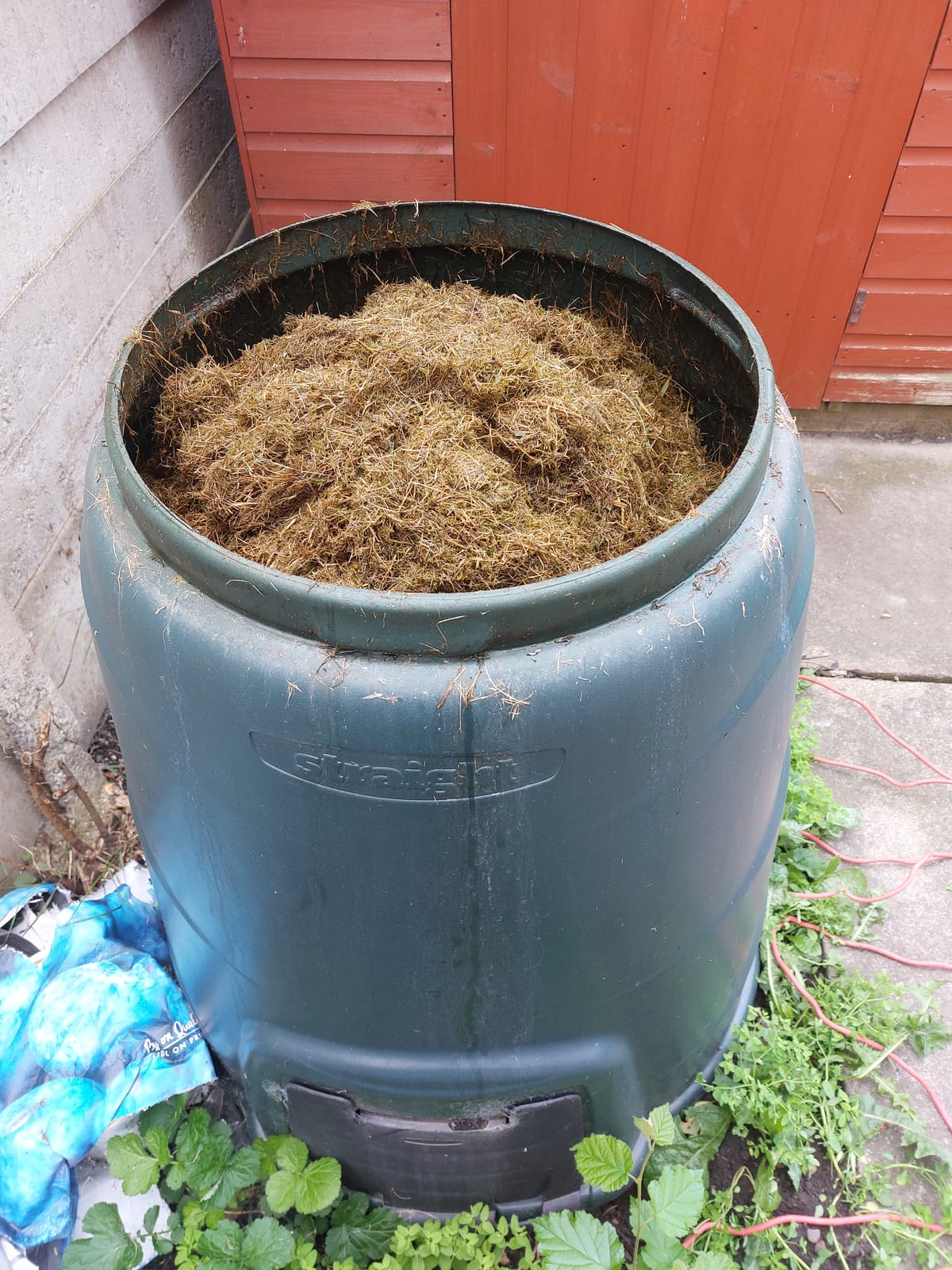
For most households with a garden, the sensible first composter is a plain lidded bin on soil, fed with a balance of soft green material and dry brown material. Hot composting, Bokashi and wormeries solve different problems, but each asks more of the person using it.
Picture two kitchens. One opens onto a garden with grass cuttings, fallen leaves and somewhere to use finished compost. The other is in a flat, produces cooked food scraps and has neither soil nor plants waiting for the result. Putting the same bin in both homes would not be a sustainable choice. In the second, the council food-waste collection may already be the better system.
The decision starts with what goes into the caddy, where the composter can stand and what will happen to the material that comes out. Capacity comes later.
This guide contains Awin affiliate links. The Planet Brief may earn a commission from a qualifying purchase, at no extra cost to you.

Our first choice for a typical garden
Blackwall 330L Green Garden Composter
This conventional outdoor bin is the lowest-complexity route for a household with regular garden waste, vegetable peelings and enough dry material to keep the mix balanced.
Choose it if: you have a level outdoor position, preferably on soil, and enough suitable garden and uncooked kitchen material to use its capacity.
Skip it if: you mainly need to process cooked food, have no use for finished compost or cannot keep the contents aerated and balanced.
Check the Blackwall 330L composterWhy it leads: it offers useful garden capacity without the price, consumables or more particular operating routine of the alternatives below. Original Organics lists a recycled-plastic body, wind-resistant lid, top opening and lower access hatch. This is a specification-led recommendation, not a hands-on TPB test.
Start with what is in the caddy
A conventional garden bin works best with a varied mixture. Grass clippings, young weeds, fruit and vegetable peelings and fresh plant trimmings supply moist, nitrogen-rich material. Dry leaves, torn cardboard, woody prunings, shredded paper and small amounts of sawdust add carbon and structure. The Royal Horticultural Society advises balancing soft green material with drier brown material rather than letting one ingredient dominate.
That balance is more important than following a precise recipe. A mass of wet grass can turn airless and slimy, while a bin full of dry twigs may barely change. Mixing the two gives decomposer organisms moisture, food and pockets of air; chopping tougher material also speeds the process by creating more surface area.
Cooked food, meat, fish and dairy need a different answer. Ordinary open or cool garden composting can attract pests and may not reach conditions that make those materials sensible additions. England's weekly household food-waste collections are designed to take a broader stream, including material that is unsuitable for a basic home heap.
The council collection changes the answer
From 31 March 2026, local authorities in England are generally required to collect household food waste every week, although transitional arrangements apply in some areas. A home composter can complement that service rather than replace it. Vegetable peelings and garden material can become compost at home, while meat, dairy, bones and other difficult scraps go into the council caddy.
This is also the practical test for a flat. Bokashi can ferment cooked and uncooked food indoors, but the resulting material needs a second stage in soil, a conventional composter or another suitable system. If there is nowhere to finish or use it, buying a bucket and bran may simply move the disposal problem around the kitchen.
Food waste still matters beyond the home. The Waste and Resources Action Programme (WRAP) estimates that households generated 6.4 million tonnes of food waste in the United Kingdom in 2021. Avoiding edible waste remains the priority; composting or separate collection deals with what is left, but neither makes wasted food cost-free.
Four routes, four different jobs
| System | Best suited to | What it asks of you | Main reason to skip it |
|---|---|---|---|
| Conventional outdoor bin | Garden waste and suitable uncooked kitchen scraps. | Balance green and brown material, allow air and wait. | No garden, no use for compost or mainly cooked-food waste. |
| Insulated hot composter | A steady volume of mixed material where faster processing is valuable. | Enough feedstock, attention to moisture and a larger initial spend. | Low waste volume or no appetite for managing the process. |
| Bokashi bucket | Indoor fermentation of cooked and uncooked food. | Buy bran, exclude air and arrange a finishing stage. | You expect finished compost directly from the bucket. |
| Wormery | Smaller volumes of suitable kitchen scraps and a household that wants worm compost and liquid feed. | Protect the worms from temperature extremes and avoid overfeeding. | You want a system for large volumes of garden waste. |
A standard outdoor bin is enough for many gardens
A lidded plastic bin uses little ground space for its capacity, retains moisture better than an exposed heap and helps keep larger pests out. Put it on level, well-drained ground. Direct contact with soil makes it easier for worms and other organisms to enter, although a rodent-resistant base may be sensible where pests are a known problem.
The 330-litre Blackwall is about 80 centimetres across and one metre high according to the current merchant specification. That is substantial enough to take regular garden material, but its footprint should be measured before buying. A narrow passage, hard paving with poor drainage or a corner that cannot be reached with a fork will make routine use harder.
Do not fill the bin once and forget it. Add brown material when the contents become wet or compacted, add green material or a little water when they are dry, and create air spaces by mixing or lifting the contents. Compost is ready when the original ingredients are difficult to recognise and the material is dark, crumbly and earthy-smelling. The timescale varies with material, temperature, moisture and management.
When faster processing is worth paying for
An insulated hot composter can retain more heat and may process a wider stream more quickly when it receives enough correctly mixed material. That makes it useful for a household producing waste steadily through the year, particularly where waiting many months would become a storage problem.
It is not a machine that makes poor inputs disappear. A half-empty vessel, an airless mass of grass or a dry load of woody material will not perform like a carefully managed batch. Claims about processing in a set number of weeks depend on those conditions and should not be treated as guarantees.

For faster outdoor composting
Aerobin 200L hot composter
An insulated, no-turn route for households with enough regular material to keep a hot-composting process active. The merchant advises two-person assembly.
Check the Aerobin 200LWorth considering when speed and year-round use justify the higher price. Skip it if a conventional bin already fits the waste stream.

For cooked-food fermentation
18L Bokashi starter kit
The current kit includes a sealed bucket, tap, internal tray, scoop and 2 kilograms of Bokashi bran for fermenting suitable food scraps indoors.
Check the 18L Bokashi starter kitUseful only when you have a plan for the fermented material. Bran is a recurring cost and the bucket does not produce finished compost by itself.
Bokashi ferments food; it does not finish the job
Bokashi is often grouped with compost bins, but the process is different. Food is pressed into an airtight bucket with inoculated bran and ferments rather than decomposing aerobically. The sealed approach can handle cooked food and is compact enough for indoor use.
After fermentation, the acidic material still needs to break down. It can be buried in soil, added to a conventional composter or introduced gradually to a suitable wormery after following the system guidance. The Royal Horticultural Society advises waiting before planting directly into soil amended with fresh Bokashi material because of its initial acidity.
The right buyer therefore has both an indoor collection problem and an outdoor finishing route. Where the weekly council service already collects all household food scraps and there is no use for compost, the bucket is unlikely to earn its space.
A wormery suits smaller, steadier inputs
A wormery can turn suitable kitchen scraps into a rich soil improver in less space than a large garden bin. It also requires more care. Worms need a moderate temperature, drainage, bedding and a feed rate they can process. Large flushes of grass clippings or woody garden waste belong elsewhere.
This can be a rewarding route for a small household or courtyard garden, but it is not the launch recommendation here. Product availability is variable and the choice is as much about managing living organisms as choosing a container. A future dedicated wormery guide would need to cover seasonal care, feed restrictions and escape or odour problems in more depth.
What makes composting go wrong
A bad smell usually points to too much moisture and too little air. Mix in dry cardboard, leaves or woody material and loosen compacted contents. If nothing appears to be happening, check for the opposite problem: a dry, cold mix with too little fresh green material. Add smaller pieces, combine materials and moisten only as needed.
Fruit flies near the lid can be reduced by burying fresh scraps below garden material or covering them with damp cardboard. Rats are a reason to exclude cooked food from an ordinary bin, fit an appropriate base and avoid creating easy access around a damaged hatch. Persistent pests or odour mean the inputs or system need changing, not that more accelerator should be purchased.
There is rarely a need to buy a compost accelerator. The Royal Horticultural Society says a good mixture should decompose without one. Material from the garden, including a small amount of soil or mature compost, already carries the organisms needed for the process.
When not to buy a compost bin
Do not buy one because food waste feels morally uncomfortable. First reduce edible waste, then check what the council collects and whether you have a real use for the output. A well-run municipal food-waste service can process materials that are awkward in an ordinary garden bin and may be the better route for homes without outdoor space.
Nor does a home bin solve the whole waste problem. The UK's waste-sector emissions have fallen sharply since 1990, largely because less biodegradable material is decomposing in landfill and methane capture has improved. Our UK waste-emissions progress article explains that change and the emissions that remain. Prevention, reuse, separate collection and treatment all still have roles.
If the household does have a garden, suitable material and somewhere to use the result, a conventional bin is usually the place to begin. A hot composter earns its premium only with steady inputs and attentive use. Bokashi earns its kitchen space only with a finishing route. A wormery works when the household wants to care for the process as well as collect its output.
For other practical garden-resource decisions, the UK water-butt guide covers downpipe compatibility, capacity and safe installation, while the sustainable garden guide looks at soil, water, planting and materials together.
Unusual gardens and larger waste volumes may need a different capacity or design. Browse the current Original Organics composting range only after deciding which materials the system must accept and what you will do with the output.
Sources
- Royal Horticultural Society: composting guidance
- Royal Horticultural Society: recycling food waste
- Royal Horticultural Society: Bokashi
- GOV.UK: household waste-collection requirements
- GOV.UK: Simpler Recycling for households in England
- WRAP: UK household food-waste survey
- Original Organics: Blackwall 330L composter specification
- Original Organics: Aerobin 200L specification
- Original Organics: 18L Bokashi starter-kit specification
- Feature image: Garden compost bin by FotoFree, Wikimedia Commons, Creative Commons Attribution-ShareAlike 4.0

Data checked
Guidance, product specifications and availability checked 20 July 2026. Product recommendations are specification-led and have not been hands-on tested by The Planet Brief. Stock, dimensions, included parts, guarantees, council collection arrangements and programme terms can change, so check the current product page and local-authority guidance before acting.
Affiliate disclosure: The Planet Brief may earn a commission from qualifying Awin purchases, at no extra cost to you.
Know this subject well? Send evidence, corrections or a useful lead to hello@theplanetbrief.com.