
Climate Risk Property Insurance Uk
Climate risk, flood insurance and property value in the UK explained: how physical climate risk can affect premiums, mortgages, resilience, EPCs and long-term property decisions.
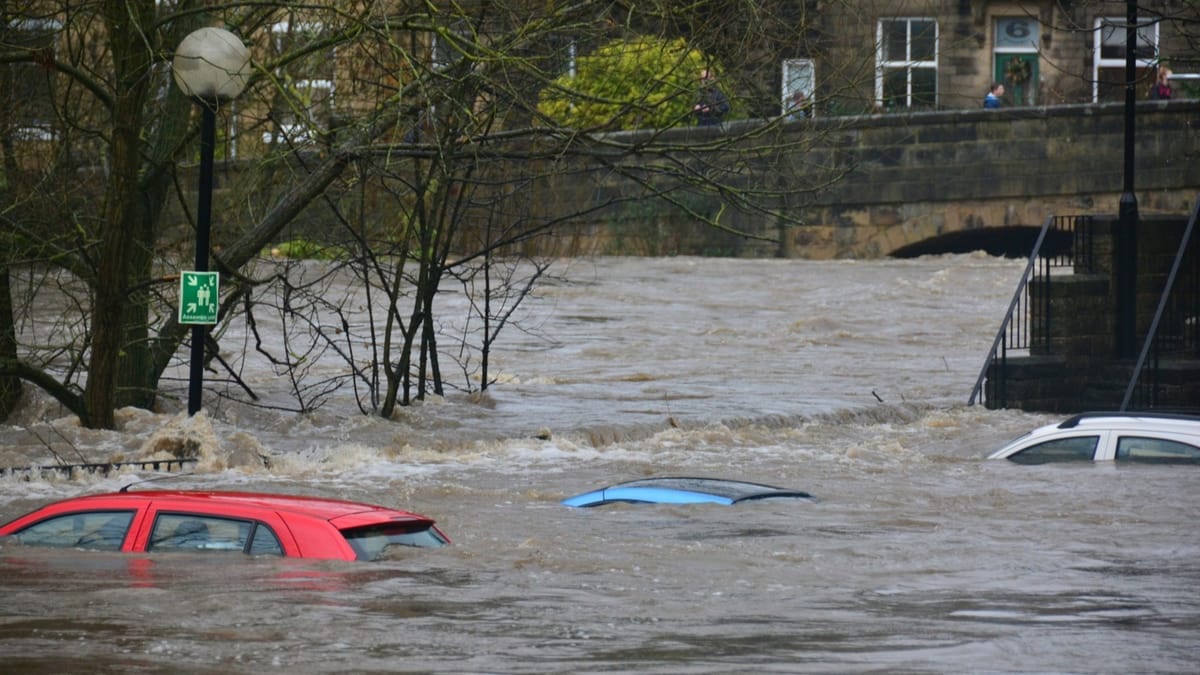
Climate risk is becoming a property and insurance issue, not just an environmental issue. Flooding, heat, subsidence, storm damage, energy efficiency and resilience can all affect household costs, insurance availability, mortgage decisions and long-term property value.
The short answer
Climate risk can affect property in two main ways. Physical risk affects the likelihood and severity of damage from flooding, storms, heat, coastal erosion, subsidence or water stress. Transition risk affects the cost of adapting homes to a lower-carbon economy, including energy-efficiency standards, heating changes, lender expectations and buyer preferences.
For investors and homeowners, this means a property's value may depend increasingly on more than location, size and condition. Insurance affordability, flood history, EPC (Energy Performance Certificate) rating, heating system, resilience measures and retrofit cost can all matter.
Why insurance is the early warning signal
Insurance prices respond to risk. Insurers use catastrophe modelling, claims history, flood maps, property characteristics and reinsurance costs to price policies. When physical climate risk rises, it can show up through higher premiums, higher excesses, exclusions, or in severe cases reduced availability.
The Association of British Insurers reported that UK home insurers paid out £846 million in property claims in the first quarter of 2026. A single quarter does not prove a long-term climate trend on its own, but it highlights the scale of weather and property risk that insurers already manage.
Flood risk and property value
Flooding is one of the clearest channels through which climate risk can affect UK property. A property in a high-risk flood area may face higher premiums, larger excesses, buyer concern and lender scrutiny. Even where insurance is available, repeated local flooding can change market perception.
For the national delivery picture behind some protection work, see our Progress check on England flood defence progress.
The UK Government's work on estimating potential economic costs of flooding shows why depth, property type and damage assumptions matter. Flood risk is not binary. A shallow flood, a deep flood, surface-water flooding and river flooding can have very different cost implications.
What buyers should check
- Environment Agency flood risk maps and local flood history.
- Whether the property has previously flooded.
- Insurance availability, premium level and excess.
- Drainage, basement, ground-floor layout and resilience measures.
- Nearby development, hard surfaces and surface-water risk.
- Surveyor comments on damp, drainage and subsidence.
- Long-term local authority flood and drainage plans.
Energy efficiency and green mortgages
Transition risk can also affect property. Energy Performance Certificate ratings are already used in some green mortgage products. A home with a better EPC rating may qualify for certain incentives, rate discounts or cashback offers, although the green mortgage product is not automatically the cheapest option.
We cover this in more detail in Green mortgages UK 2026. The key point is that energy efficiency can become financially relevant through running costs, mortgage criteria, retrofit costs and buyer demand.
Retrofit cost as an investment variable
A low-EPC property can still be attractive, but only if the buyer understands the improvement cost. Insulation, glazing, ventilation, solar panels, heat pumps, low-carbon heating, draught-proofing and controls can all affect energy performance, but costs vary widely by property type.
Older UK housing stock can be especially complex. A Victorian terrace, a flat in a converted building, a rural property and a new-build home face very different retrofit constraints. Investors should be cautious about assuming that every property can be upgraded cheaply.
Climate risk and buy-to-let
For landlords, climate and energy issues can affect rental demand, maintenance costs and regulatory exposure. A property with high heating costs may become less attractive to tenants. A property exposed to flood or damp risk may face higher maintenance and insurance costs. Future energy-efficiency rules could also affect required capital expenditure.
This does not mean climate-risk properties are automatically bad investments. It means the expected return should reflect the real cost of ownership, insurance, resilience and compliance.
How lenders may respond
Lenders care about property value, borrower affordability and collateral risk. If climate risk affects insurance availability, damage probability or resale value, lenders have a reason to pay attention. Green mortgages are one visible part of this, but the wider mortgage market may also become more climate-aware over time.
The FCA (Financial Conduct Authority) has noted the role green home finance could play in decarbonising homes. For borrowers, the practical point is to compare the total mortgage cost, not only the green label. A small green incentive can be outweighed by a higher rate or fee.
Practical checklist for property decisions
- Check flood, coastal, surface-water and subsidence risks before purchase.
- Get insurance quotes before exchange, not after completion.
- Read the EPC and understand likely upgrade measures.
- Ask whether the property has resilience measures already installed.
- Budget for maintenance and adaptation, not only purchase price.
- Compare green mortgage offers with ordinary products.
- Consider whether climate risk affects exit value and buyer demand.
For the broader investment angle, use the climate risk investing guide. It connects property risk with portfolio risk, fossil fuel exposure, transition risk and long-term investor due diligence.
How to turn climate checks into a buying decision
A useful climate-risk review should produce a decision, not just a folder of documents. For a homeowner, that decision might be whether to proceed, renegotiate, request specialist survey work or budget for resilience measures. For a landlord or property investor, it might change the expected yield, insurance allowance, maintenance budget or exit-price assumption.
The most important step is to avoid treating each risk separately. A property with moderate flood exposure, poor insulation, a low EPC rating and high retrofit cost may be more exposed than any single datapoint suggests. Conversely, a property with known risk may still be workable if insurance is available, resilience measures are credible and the price reflects future adaptation cost.
Keep a simple property climate file: flood map screenshot, insurance quotes, EPC certificate, surveyor comments, retrofit estimate, mortgage comparison and any local authority flood or drainage information. That file makes the decision more transparent and helps avoid relying on memory or estate-agent wording.
Bottom line
Climate risk is becoming part of property due diligence. Insurance, flood exposure, EPC rating, resilience and retrofit cost can all affect the real economics of a home or property investment. The best approach is practical: check the risk, price the cost, and avoid relying on labels alone.
FAQ
Can climate risk affect a mortgage?
Indirectly, yes. Lenders care about insurance availability, resale value, borrower affordability and property condition. Flood exposure, EPC rating and retrofit cost can therefore become part of wider mortgage and valuation conversations.
Is flood risk only a coastal issue?
No. UK property can face river, surface-water, groundwater and sewer flood risk as well as coastal risk. Buyers should check local flood maps, property history and insurance terms before exchange.
Do green mortgages solve property climate risk?
No. Green mortgages may reward energy efficiency or fund retrofit, but they do not remove flood, insurance, subsidence or market risks. They are one tool within wider property due diligence.
Useful source links
- ABI home insurance claims data
- GOV.UK estimating potential economic costs of flooding
- FCA view of green mortgages
- The Planet Brief guide to green mortgages
Financial information only
This article is for general information only. It is not mortgage advice, insurance advice, investment advice or a recommendation to buy or sell property. Speak to qualified advisers before making financial decisions.