
Green gilts UK explained 2026: Green Gilt 2037, risks and checks
Green gilts UK explained for 2026: Green Gilt 2037 auction results, how government green bonds work, yields, duration risk and evidence checks.
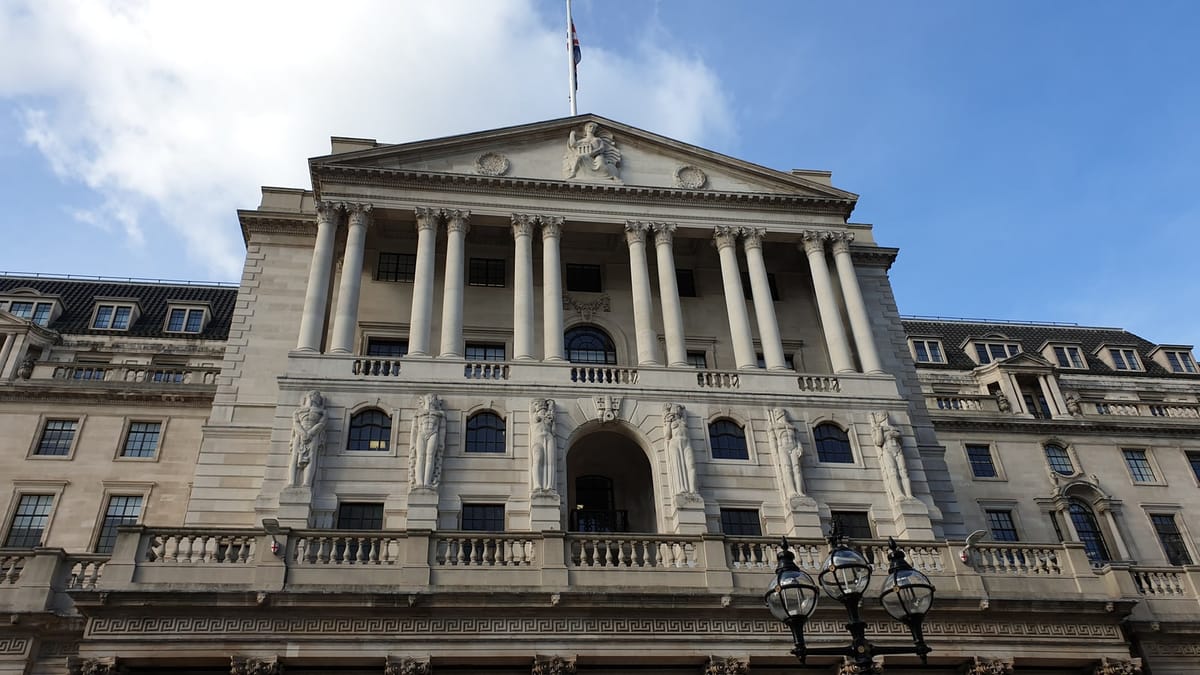
Green gilts are UK government bonds linked to eligible green spending. Repeated 2037 issuance is making the programme easier to observe in the market, but the green label does not alter the bond mathematics. The investor still needs to understand the price, yield, maturity and evidence behind the government's financing framework.
The short answer
A gilt is a UK government bond. A green gilt is a gilt issued under the UK's green financing framework. Investors lend to the UK government and receive coupon payments and principal at maturity, while the government allocates an amount equivalent to the proceeds to eligible green expenditures. The bond still behaves like a bond: its price can rise or fall before maturity, and its return depends on yield, coupon, purchase price, sale price, inflation and tax position. If the basic structure is still unclear, start with our guide to what green bonds are before comparing green gilts with other products.
The green label changes the evidence trail, not the bond mathematics. It gives investors documents to check: the framework, eligible categories, exclusions, allocation reports, impact reporting and auction notices. Our green bond framework checklist explains how to read those documents. The EU Green Bond Standard is a stricter European label, but neither route turns a bond into a savings account, a carbon offset, an infrastructure fund or a direct stake in a project.
What changed in 2026?
The UK green gilt programme became more active again in 2026. The Debt Management Office (DMO) launched a new 4.625% Green Gilt 2037 by syndication in March, raising about 6.2 billion pounds sterling in cash proceeds, then sold another 3.25 billion pounds sterling at auction on both 2 June and 2 July. The March notice described the bond as the UK's third green gilt and the first new green gilt since October 2021.
The July auction received 10.75 billion pounds sterling of bids for the 3.25 billion pounds sterling offered, giving cover of 3.31 times. The rounded average accepted price was £97.455 and the corresponding yield was 4.934%. Those are auction results for a particular date, not a standing return available to every buyer. A later market purchase can happen at a different price and yield.
| 2026 status point | What it means | Reader check |
|---|---|---|
| Updated framework | The UK Government Green Financing Framework was updated in November 2025. | Read the latest framework, not only the original 2021 version. |
| New Green Gilt 2037 | The 4.625% Green Gilt 2037 added a third maturity point to the programme. | Check coupon, maturity, yield, issue price and whether the maturity fits the risk profile. |
| Repeated 2037 auctions | The June auction was covered 3.63 times. The July auction was covered 3.31 times, with £10.75 billion of bids for £3.25 billion offered. | Use current DMO auction results and market prices rather than old launch yields. |
| Allocation evidence | The latest available allocation report showed 43.4 billion pounds sterling raised by the programme by 1 October 2024, including 41.6 billion pounds sterling via green gilt issuance. | Separate money raised, money allocated and estimated environmental impacts. |
Green gilt vs National Savings and Investments Green Savings Bond
These are often confused because both are linked to UK green finance. They are not the same product. For a fuller product-by-product comparison, use our guide to green savings bonds vs green bonds.
| Feature | Green gilt | National Savings and Investments Green Savings Bond |
|---|---|---|
| Product type | Tradable UK government bond. | Savings product offered by National Savings and Investments. |
| Value before maturity | Market price can rise or fall. | Fixed product terms apply; check National Savings and Investments issue details. |
| Who it suits | Investors comfortable with bond market risk. | Savers seeking a government-backed savings product. |
| Green link | Use-of-proceeds framework and reporting. | Linked to the government's green financing programme. |
What do green gilts finance?
The UK Green Financing Framework sets out eligible categories for green financing. These include clean transportation, renewable energy, energy efficiency, pollution prevention and control, living and natural resources, climate change adaptation, and green buildings. The government reports on allocation and impact through green financing reporting. For the wider UK bond market context, compare this with our guide to green bonds in the UK.
Green gilts do not mean each investor owns a specific wind farm, railway upgrade or energy-efficiency project. They are use-of-proceeds bonds. The government commits to allocating an amount equivalent to the proceeds to eligible spending and reporting against the framework.
The allocation evidence also has boundaries. The 2024 allocation report said the programme raised 10.9 billion pounds sterling in 2023-24 through green gilts and retail Green Savings Bonds, with 9.9 billion pounds sterling from green gilt transactions. It also said the financed expenditures covered the framework's six eligible categories. That is useful transparency, but it should be read as programme reporting rather than a guarantee that any single investor's money paid for a specific project.
How green gilts are issued
The UK Debt Management Office manages gilt issuance. Green gilts have been issued across different maturities, including shorter and longer-dated securities. The maturity matters because longer-dated bonds are generally more sensitive to interest-rate movements.
Investors should use the DMO's current documentation for up-to-date issuance, maturity, coupon and auction information. Green gilt notices can include the amount sold, issue price, yield, order book or auction cover, settlement date and International Securities Identification Number. The July 2037 result shows why the date matters: its 4.934% average accepted yield describes that auction, not the coupon and not a permanent rate available in the secondary market.
How returns work
A green gilt's return depends on the price paid, coupon, maturity, yield and tax position. If an investor buys a gilt and holds it to maturity, the coupon and redemption value are known in advance, assuming the UK Government meets its obligations. If the investor sells before maturity, the market price can be higher or lower than the purchase price.
This is why green gilts are different from savings products. A savings product usually gives a stated interest rate and product term. A tradable gilt has a market price that changes as yields move. When yields rise, existing gilt prices generally fall. When yields fall, existing gilt prices generally rise.
What is the greenium?
The "greenium" is the idea that green bonds can sometimes trade at slightly lower yields than comparable conventional bonds because demand for labelled green exposure is strong. A lower yield means a higher price for the issuer, but a slightly lower return for the buyer if all else is equal.
For retail investors, the greenium is not something to obsess over in isolation, but it is worth understanding. A green gilt should still be compared with similar conventional gilts by maturity, yield, duration and tax treatment. The green label does not automatically make a lower yield a better deal.
Key risks
- Interest-rate risk: if market yields rise, gilt prices generally fall.
- Duration risk: longer-dated gilts can be much more sensitive to rate changes.
- Inflation risk: fixed coupon payments may lose real purchasing power if inflation is high.
- Reinvestment risk: future coupons or matured proceeds may be reinvested at lower rates.
- Greenium risk: green gilts may trade at slightly different yields from comparable conventional gilts.
- Tax complexity: tax treatment can depend on whether gilts are held directly, through funds or inside wrappers such as ISAs (individual savings accounts) and SIPPs (self-invested personal pensions).
What the green label does not prove
Green gilts make part of the government's borrowing programme more transparent. The mistake is treating the label as a complete investment conclusion.
| Claim or assumption | What is true | What still needs checking |
|---|---|---|
| "It is UK government debt." | Credit risk is different from corporate bond risk. | Market price, yield, duration, inflation risk and tax position still matter. |
| "It is green." | Proceeds are linked to eligible green expenditure categories and reporting. | Allocation boundaries, impact assumptions, exclusions and the wider public-spending context. |
| "It has a fixed coupon." | The coupon is fixed for the gilt. | The price paid determines the yield, and selling before maturity can create gains or losses. |
| "It sounds like a savings bond." | Both green gilts and National Savings and Investments Green Savings Bonds connect to the UK green financing programme. | A gilt is a tradable investment; a National Savings and Investments product is a savings product with different rules. |
Direct gilt, fund or ETF (exchange-traded fund)?
Retail investors can gain exposure through individual gilts, gilt funds, green bond funds, ETFs (exchange-traded funds) or multi-asset funds. Each route behaves differently. If the fund route is the relevant comparison, read our guide to green bond funds in the UK before assuming a fund behaves like a single gilt.
| Route | Pros | Watch-outs |
|---|---|---|
| Individual green gilt | Known maturity and coupon if held to maturity. | Market price can move; dealing spreads and tax position matter. |
| Green bond fund | Diversification across issuers and projects. | May include corporate credit risk, fees and broader green bond methodology choices. |
| Gilt fund or ETF | Convenient access and diversification across maturities. | May not be specifically green; duration can still be significant. |
How green gilts fit into a sustainable portfolio
Green gilts can provide a lower-credit-risk fixed-income component compared with corporate green bonds, but they still carry interest-rate and inflation risk. They may be useful for investors who want some allocation to government-backed green finance rather than only equity funds or thematic climate stocks.
They should not be treated as an impact shortcut. The investor still needs to decide whether the bond fits their risk profile, time horizon, tax wrapper and portfolio allocation.
For climate-risk analysis, green gilts sit in the government-bond bucket. They can help readers understand how public finance is being linked to climate and environmental spending, but they do not remove sovereign, inflation, fiscal or interest-rate questions. A portfolio review should still compare asset class exposure, maturity profile and the role fixed income is supposed to play. Our climate risk in portfolios guide covers that wider allocation question.
Tax wrappers and practical access
Some investors access gilts through platforms, ISAs, SIPPs (self-invested personal pensions), funds or ETFs. Each route changes the practical experience. A direct gilt gives more control over maturity selection, but requires understanding price, yield, dealing costs and tax. A fund or ETF is simpler and diversified, but it may not mature on a fixed date and can keep rolling exposure to duration risk. For wrapper basics, use our guide to sustainable stocks and shares ISAs.
The tax position can also differ depending on whether the investor holds a gilt directly, inside a wrapper, or through a fund. This is one reason green gilts should be treated as part of a wider financial plan rather than a simple ethical badge. The environmental framework is relevant, but the financial structure still matters.
When green gilts may make sense
Green gilts may appeal to investors who want some government-backed fixed-income exposure and prefer that the proceeds are linked to eligible green expenditure. They may be particularly relevant for readers who want a lower-credit-risk counterpart to corporate green bonds or who want to understand the UK Government's own green finance programme.
They may be less suitable for investors who need instant-access cash, who do not understand bond price movements, or who want direct exposure to specific renewable energy assets. In those cases, a savings product, diversified bond fund or specialist renewable infrastructure investment may be a more appropriate area to research, depending on risk tolerance.
Due diligence checklist
- Check the exact gilt identifier, coupon, maturity and yield.
- Understand how price moves if yields rise or fall.
- Read the UK Green Financing Framework and allocation reporting.
- Compare the green gilt yield with similar conventional gilts.
- Check platform dealing fees and spreads.
- Consider whether an ISA (individual savings account) or SIPP (self-invested personal pension) wrapper changes the tax position.
- Do not confuse green gilts with National Savings and Investments Green Savings Bonds.
What to watch next
Green gilt readers should watch four things: new DMO issuance notices, the next allocation or impact report, changes to the Green Financing Framework, and the yield gap between green gilts and similar conventional gilts. Together they show whether the programme is expanding, how proceeds are being reported and whether investors are paying a noticeable premium for labelled UK government debt.
Bottom line
Green gilts are credible green finance instruments because they sit inside a government framework and reporting process, but they are still bonds. The sustainability framework does not remove duration risk, inflation risk, tax questions or the need to understand the price you are paying.
FAQ
Are green gilts risk-free?
No. They have UK government credit backing, but their market price can still fall if yields rise. Investors buying or selling before maturity need to understand duration and price risk.
Do green gilt investors fund specific projects directly?
No. Green gilts are use-of-proceeds bonds. The government allocates an amount equivalent to proceeds to eligible green spending categories and reports on allocation and impact.
Are green gilts the same as National Savings and Investments Green Savings Bonds?
No. Green gilts are tradable government bonds. National Savings and Investments Green Savings Bonds are savings products with different terms, access and risk characteristics.
Useful source links
- UK Debt Management Office green gilts
- DMO result notice: syndicated launch of 4.625% Green Gilt 2037
- DMO auction result: 4.625% Green Gilt 2037, 2 June 2026
- DMO auction result: 4.625% Green Gilt 2037, 2 July 2026
- UK Green Financing Allocation Report October 2024
- UK Government Green Financing Framework
- ICMA Green Bond Principles
- National Savings and Investments Green Savings Bonds
Data checked
This guide was checked on 12 July 2026 against UK Debt Management Office green gilt notices through the 2 July 2026 Green Gilt 2037 auction, the UK Green Financing Framework, the latest available allocation reporting and National Savings and Investments Green Savings Bond information. Issuance, prices, yields, tax treatment and product availability can change. Check current official documents before relying on any figure.
Financial information only
This article is for informational and educational purposes only. It is not financial advice, investment advice, tax advice, a recommendation, or a personal financial promotion. Bonds can fall in value, especially when interest rates rise. Tax treatment and eligibility can change. Speak to an adviser authorised by the FCA (Financial Conduct Authority) before making investment decisions.