
Best green investment themes for 2026
Green investing in 2026 is broader than solar panels and ESG (environmental, social and governance) funds.
Financial information only
This article is for informational and educational purposes only. It is not financial advice or a recommendation to buy or sell any investment. The themes discussed may be volatile, concentrated or unsuitable for some investors.
Green investing in 2026 is broader than solar panels and ESG (environmental, social and governance) funds. The highest-value opportunities and risks sit across grids, storage, adaptation, carbon markets, industrial decarbonisation, water, nature and climate data. This guide maps the themes worth understanding before choosing products.
Why green investment themes matter
Climate transition is not one sector. It is a multi-decade reshaping of energy, transport, buildings, agriculture, heavy industry, finance and infrastructure. That creates investment themes, but it also creates hype. A theme can be real and still be a poor investment if valuations are stretched, policy support changes or execution disappoints.
The right way to assess a theme is to ask four questions: what problem does it solve, what policy or customer demand supports it, what business models capture value, and what could go wrong?
1. Renewable power
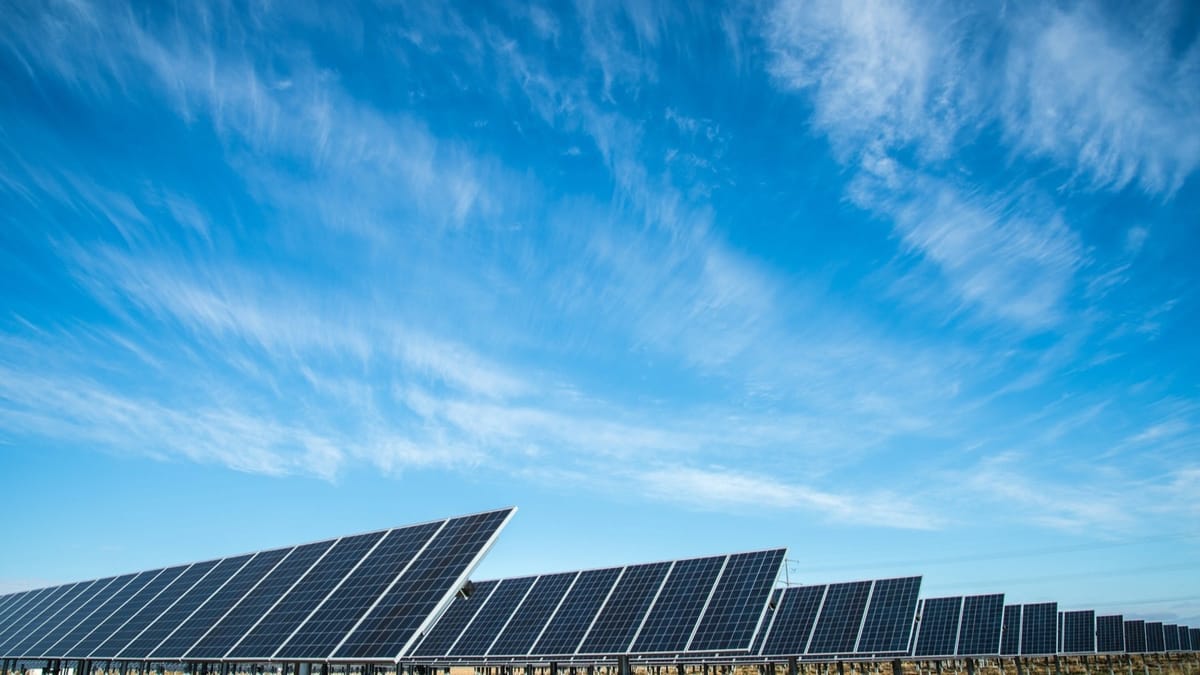
Renewable electricity remains the foundation of most decarbonisation pathways. Wind, solar and hydro reduce emissions by replacing fossil generation, but the investment case depends on project economics, power prices, permitting, grid connection, financing costs and equipment supply chains.
For public-market investors, renewables exposure can come through utilities, infrastructure funds, equipment manufacturers, project developers, ETFs (exchange-traded funds) or diversified climate funds. Each has different risk. A turbine manufacturer is not the same as an infrastructure trust owning contracted solar assets.
2. Grid infrastructure
Electricity grids are becoming a bottleneck. More renewable power, electric vehicles, heat pumps and data centres increase demand for transmission, distribution, balancing and grid digitalisation. Grid investment is less glamorous than climate technology, but it is central to the transition.
For the broader capital-flow context, the World Energy Investment 2026 guide explains how the International Energy Agency (IEA) reads grids, battery storage, clean power, gas and data centres inside the same energy-security story.
The risk is regulation. Grid assets often depend on regulated returns, permitting, political decisions and long infrastructure cycles. Investors should understand whether exposure is through regulated utilities, engineering firms, cable suppliers, grid software or broader infrastructure vehicles.
3. Battery storage and flexibility
Renewable-heavy systems need flexibility. Battery storage, demand response, interconnectors, smart charging and flexible industrial demand can all help balance electricity systems. The investment case depends on revenue stacking, price volatility, ancillary services and regulation.
Battery storage can be attractive but complex. Revenue assumptions can change quickly as markets mature. Investors should be wary of simple claims that storage automatically benefits from every increase in renewables.
4. Climate adaptation
Adaptation is likely to become a larger investment theme because climate impacts are already visible. Flood protection, water efficiency, resilient infrastructure, cooling, insurance analytics, wildfire management and crop resilience all sit in this category.
Adaptation differs from mitigation. Mitigation reduces emissions. Adaptation helps society cope with physical climate risks. Some adaptation businesses may not look obviously “green” in a traditional ESG screen, but they can still be central to climate resilience.
5. Carbon markets and removals
Carbon markets include compliance schemes such as the EU ETS (European Union Emissions Trading System) and UK ETS (UK Emissions Trading Scheme), voluntary carbon credits, aviation compliance under CORSIA (Carbon Offsetting and Reduction Scheme for International Aviation), and emerging carbon removal markets. The theme is high-interest but high-risk because credit quality, policy treatment and buyer confidence vary widely.
Tool via The Carbon Workbench
Carbon removal, including biochar, direct air capture, enhanced weathering and durable storage, is especially attractive to some buyers because it addresses residual emissions. But many removal pathways are early-stage, expensive or dependent on policy and corporate procurement budgets.
6. Water and nature
Water stress, biodiversity loss and land-use pressure are becoming more financially material. Investors may access these themes through water infrastructure, irrigation efficiency, wastewater treatment, nature-based solutions, environmental data or agricultural technology.
The challenge is measurement. Nature and biodiversity claims are harder to standardise than renewable generation or tonnes of CO2e. Investors should look for clear metrics and avoid vague “nature positive” language without evidence.
7. Industrial decarbonisation
Steel, cement, chemicals, shipping and aviation are difficult to decarbonise. Technologies include electrification, hydrogen, carbon capture, alternative fuels, materials efficiency and process innovation. The long-term need is real, but many business models depend on policy support, carbon prices or green procurement.
This theme can be capital-intensive. Investors should watch balance-sheet strength, project timelines and whether customers are willing to pay for low-carbon materials.
How to avoid thematic traps
A strong climate theme does not guarantee strong returns. Clean energy equities have shown that policy support, interest rates, supply chains and valuations can all affect performance. The best starting point is diversification, fee discipline and scepticism about narrow narratives.
Ask whether a product gives broad exposure to a theme or concentrated exposure to a few companies. Check whether the theme overlaps heavily with holdings you already own. Review whether the investment has a credible sustainability methodology or simply uses climate language in the title.
How to connect themes to actual products
A theme is not an investment product. Investors still need to decide whether exposure comes through individual shares, investment trusts, infrastructure funds, exchange-traded funds, active funds, bonds or a diversified platform portfolio. Each route has a different mix of costs, liquidity, concentration, currency exposure and sustainability evidence.
A useful first screen is to separate core exposure from satellite exposure. Core holdings should usually be diversified and low enough in cost to hold through a full market cycle. Satellite holdings can be narrower, but the reason for owning them should be explicit: adaptation exposure, grid infrastructure, climate data, carbon markets or another defined theme. If a thematic product cannot explain its universe, selection rules and risk controls, the theme may be clearer than the fund.
What to read next
Start with the sustainable funds guide, then compare sustainable ETFs, climate risk ETFs, green bonds vs ESG funds and climate risk in portfolios. Those guides turn broad themes into product-level questions.
How to compare themes without chasing labels
Investment themes can be useful, but they can also encourage readers to chase whatever sounds most topical. A stronger approach is to compare the real economic driver behind each theme, the evidence that demand is durable and the risk that valuations already price in too much optimism.
| Theme | Evidence to check | Main risk |
|---|---|---|
| Clean power | Grid connections, power prices, policy support and project pipeline. | High rates, permitting delays and crowded trades. |
| Water and adaptation | Capital spending, regulation and physical-risk exposure. | Slow procurement and political pressure on returns. |
| Circular economy | Customer demand, margin resilience and waste regulation. | Weak economics if recycled inputs are more expensive. |
| Climate data | Disclosure rules, assurance needs and enterprise adoption. | Software churn and overstated addressable markets. |
The theme is only the starting point. The harder question is whether the fund, stock or bond gives exposure to that theme in a diversified, fairly priced and transparent way.
Useful source links
- IEA World Energy Investment 2026
- IEA report on electricity grids and secure energy transitions
- FCA sustainable investment labels
Bottom line
Green investment themes can be real and still disappoint investors. Treat each theme as a business-model, valuation and policy question, not just a climate story. Diversification, fee discipline and evidence matter more than a fashionable label.
Green investment themes FAQ
What is the highest-growth green theme?
There is no single reliable answer. Grids, storage, adaptation, industrial decarbonisation and climate data all have strong structural drivers, but returns depend on valuation, execution and policy support.
Are climate themes suitable for core portfolios?
Narrow climate themes are often better treated as satellite exposure because they can be concentrated and volatile. Broad diversified funds are usually more suitable as core holdings, depending on the investor's circumstances.
How do you avoid hype?
Ask what problem the company solves, who pays for it, whether margins are defensible, what policy support exists and what could undermine the investment case.