
England species recovery programme 2026: 364 threatened species get funded projects
England species recovery programme 2026: Natural England says 130 funded projects will support 364 threatened species, from swallowtails to native crayfish.
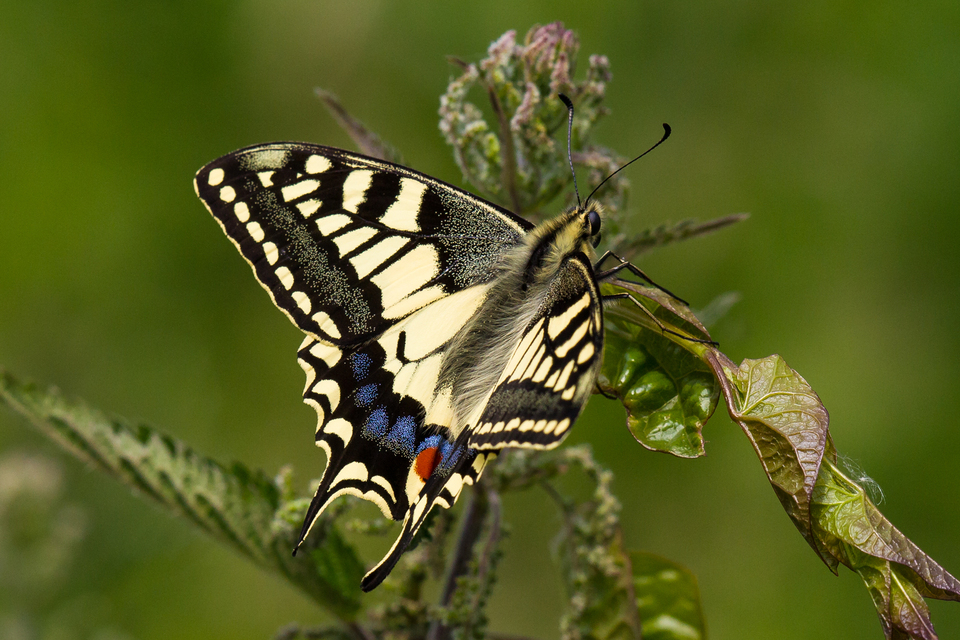
England now has 130 funded recovery projects covering 364 threatened species. Natural England says the Species Recovery Programme funding will support work on wildlife ranging from swallowtail butterflies and white-clawed crayfish to ghost orchids, dune beetles, native oysters and blue sharks.
This is the sort of wildlife news people can actually picture. A swallowtail butterfly depends on milk-parsley in wetland habitat. A white-clawed crayfish is fighting invasive species and disease. A ghost orchid is so scarce that GOV.UK says it went unrecorded for 23 years before being rediscovered in 2009.
The new funding does not mean those species are safe. It does mean the recovery work is now attached to named projects, named places and named actions, rather than only sitting inside a long list of concern.
The numbers
Natural England says 130 projects covering 364 threatened species will receive £60 million through the Species Recovery Programme. Defra says a further £30 million will support species recovery on the national forest estate, bringing the total government commitment to £90 million.
What the funding covers
The project list is broad enough to feel like a real cross-section of England's nature problem. It includes plants, insects, birds, fish, mammals, fungi, freshwater species and marine species.
Some projects are easy to imagine. Natural England lists a long-term conservation strategy for the swallowtail butterfly and its foodplant, milk-parsley. The Royal Society of Wildlife Trusts is listed for work on white-clawed crayfish health and resilience. The ghost orchid project will use detection dogs and environmental genetic traces to help find a plant that is almost never seen.
Other projects are less postcard-friendly, which is part of the value. The funded list includes work on lichens, rare mosses, moths, freshwater fish, native oysters, waxcaps, spiders and pelagic sharks such as blue shark, porbeagle and tope. Nature recovery cannot only be built around the animals people already love.
A recovery list, not just a red list
The Species Recovery Programme matters because England's legal nature targets are not only about protecting places. They also include a long-term goal to reduce species extinction risk by 2042 compared with 2022 levels.
Natural England's Threatened Species Recovery Actions baseline shows the scale of the work behind that target. It evaluated more than 1,900 species across terrestrial, freshwater and marine groups, with input from more than 80 specialists across the environmental sector.
The new funding is a practical next layer. It does not erase decline, but it gives more species a recovery route: surveys, habitat work, translocations, genetic evidence, disease checks, landowner engagement, better data and local delivery partners.
That is a different kind of good news from seeing one animal return. It is quieter, but it may matter more. A species comeback needs the unglamorous work first: knowing where the species is, what it needs, who can change the habitat and how to measure whether the work is helping.
What not to overclaim
Funding is not population recovery. A project award does not prove that a species has stabilised, expanded or become less threatened. Some funded work will be early evidence-building, not immediate restoration on the ground.
The source boundary is important. GOV.UK says the projects cover 364 threatened species and support the long-term biodiversity goal on extinction risk. It does not say that 364 species are now recovering. The next evidence has to come from delivery updates, monitoring results and future species assessments.
International Union for Conservation of Nature Red List assessments also change as evidence improves. The GOV.UK project page says all species receiving funding are priorities for recovery, with more than half classified as near threatened, vulnerable or endangered under Great Britain Red List assessments. That status may shift over time as species are reassessed.
How this connects to other nature recovery stories
The Species Recovery Programme is the funded backdrop to more visible nature recovery stories. The beaver reintroduction work shows what a managed native-species comeback can look like when releases, licences and local management are in place. The white-tailed eagle project does the same for a large bird returning through a licensed release route.
The Dartford warbler recovery shows what funded habitat work eventually has to achieve: the latest UK estimate has reached 4,100 pairs, with record counts on restored heathland reserves. The return of avocets to British wetlands has lasted long enough for the country's oldest recorded avocet to reach 36. The West Midlands Swift Academy is smaller and more urban: boxes, wildflowers, community groups and monitoring. The UK seagrass restoration article shows the marine version, where survival and habitat quality decide what lasts.
The new Species Recovery Programme funding is the wider funded route behind that kind of work. It shows how many threatened species need specific action before the public ever sees a comeback. Those projects also need habitat that animals can reach: Surrey's Cockcrow Green Bridge is a newly completed crossing intended to reconnect heathland across the A3, with post-opening monitoring still needed to show how wildlife uses it.
Nature policy also works by removing practices that put wildlife at avoidable risk. Scotland's comprehensive glue trap ban is a different route from funded recovery: it closes use, supply and possession after welfare advisers found that the traps cause suffering and can catch non-target animals.
The next evidence to look for
The strongest future update would show funded projects moving from plans into measurable results. For some species, that might mean more occupied habitat, better breeding success, stronger disease resilience or new protected populations. For others, the first useful outcome may simply be better knowledge of where the species still survives.
The funding makes the work more concrete. The harder part begins now: turning project lists into field evidence that species are safer than they were before.
Useful source links
- GOV.UK: Over 350 threatened species to benefit from record investment
- GOV.UK: Species Recovery Programme projects awarded funding for 2026 to 2029
- Natural England: Threatened Species Recovery Actions baseline
- Joint Nature Conservation Committee: Great Britain Red List dataset
- Feature image source: swallowtail butterfly image from GOV.UK Species Recovery Programme announcement
Data checked
This article was checked on 8 July 2026 against the GOV.UK Species Recovery Programme announcement, the GOV.UK project list, Natural England's Threatened Species Recovery Actions baseline and the Joint Nature Conservation Committee Great Britain Red List dataset. Review after Natural England publishes delivery updates, species-monitoring results, funding-award changes or material Red List status changes.
Information only
This article is for general information only. It is not ecological consultancy, legal advice, land-management advice, grant advice or conservation project advice. Species status, funding awards, project delivery and monitoring evidence can change, so check current source material and qualified local advice before making site-specific decisions.