
UK heat pump rollout progress 2026: Boiler Upgrade Scheme uptake and the delivery gap
UK heat pump rollout progress 2026: official Boiler Upgrade Scheme data shows 130,988 voucher applications by May 2026, but redemptions and scale remain the test.
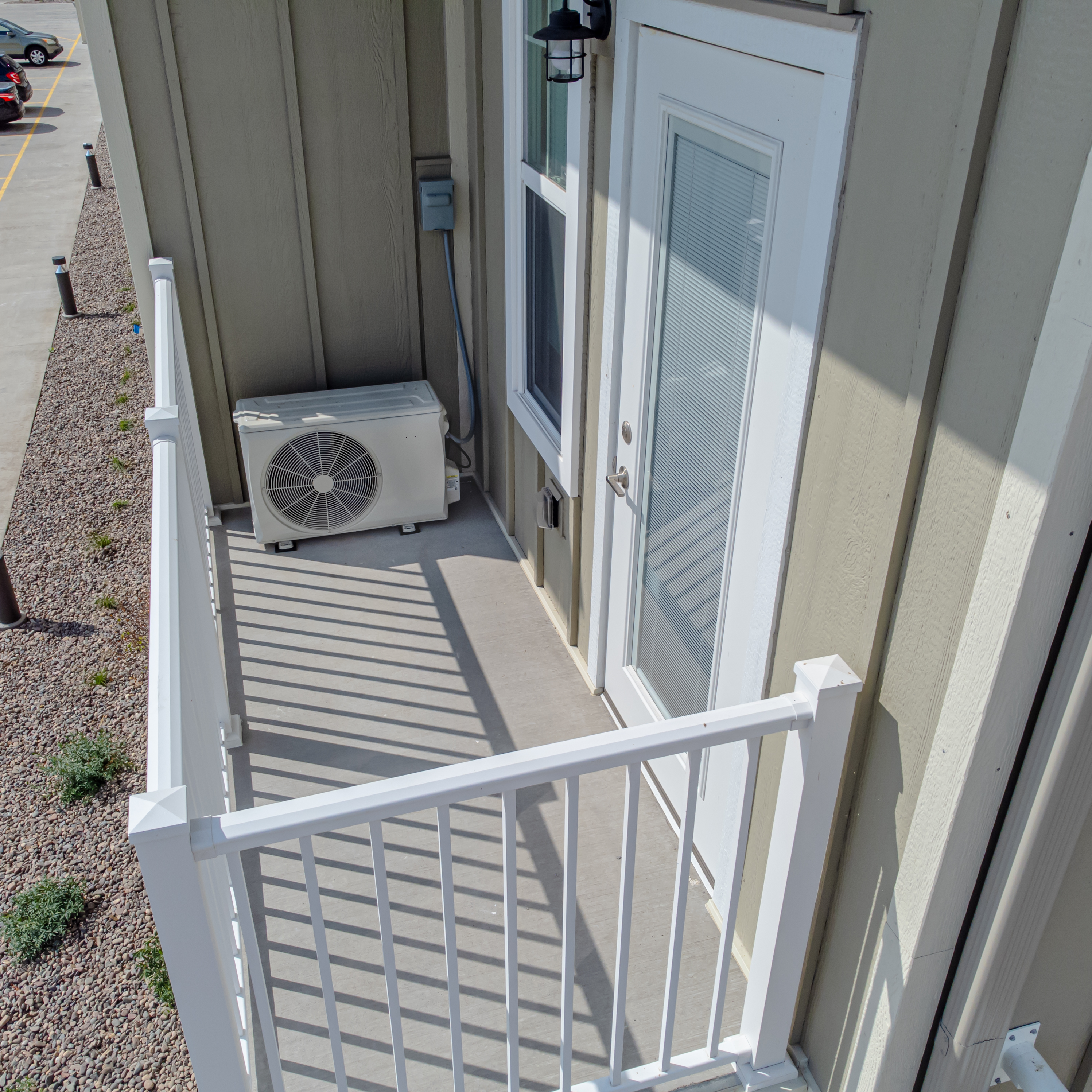
England and Wales have now recorded 130,988 Boiler Upgrade Scheme voucher applications, according to official statistics to the end of May 2026. That is real demand for low-carbon heating. The harder test is whether applications turn into completed installations fast enough to change the buildings emissions story.
Information only
This article is for general information only. It is not financial advice, investment advice, legal advice, regulatory advice, property advice or technical heating advice. Grant rules, costs, eligibility and official statistics can change, so check current source documents and qualified advice before making a property or spending decision.
Heat pumps are one of the places where climate progress becomes physical. A power-sector target can be drawn on a chart. A heat-pump rollout has to happen one property, installer, quote, grant and customer decision at a time.
The latest Boiler Upgrade Scheme data shows that the market is moving. It also shows why the right progress question is not "are heat pumps happening?" They are. The useful question is whether grant-supported demand is becoming completed, trusted, geographically broad installations at the scale buildings decarbonisation needs.
Data checked
This article was checked on 25 June 2026 against GOV.UK Boiler Upgrade Scheme statistics to May 2026, the May 2026 data workbook, the scheme statistics collection page and the National Audit Office report on decarbonising home heating. Boiler Upgrade Scheme statistics cover England and Wales grant-supported installations, not every heat pump sold or installed in the United Kingdom.
Quick answer
| Question | Short answer |
|---|---|
| Is the heat-pump rollout moving? | Yes. The Boiler Upgrade Scheme had received 130,988 voucher applications by the end of May 2026, and May 2026 applications were about 19% higher than May 2025. |
| Is that the same as completed installations? | No. Paid redemptions reached 84,879 by the end of May 2026. Applications, issued vouchers and paid redemptions measure different stages of the process. |
| What happened in May 2026? | The scheme received 4,411 applications and paid 2,234 redemptions in May 2026. |
| What is the main caveat? | The scheme data is useful, but it does not cover every UK installation. It also does not prove installation quality, customer satisfaction or whole-home readiness. |
| What is the Progress verdict? | Demand is visible, but the delivery gap is still the story. Heating progress now depends on completions, installer capacity, property readiness and regional access. |
The number that matters
Progress signal
By the end of May 2026, the Boiler Upgrade Scheme had received 130,988 voucher applications and paid 84,879 redemptions. The signal is demand becoming visible. The test is conversion into completed installations.
The 130,988 figure matters because it shows that low-carbon heating is no longer an abstract policy category. Households and installers are using the grant route in meaningful numbers.
But the redemption figure matters more for delivery. A voucher application is an intention. A paid redemption is much closer to an installed system. The gap between the two is not automatically bad, because projects take time and some vouchers are still live. It does, however, stop the headline number from being treated as the rollout itself.
Applications are not installations
The Boiler Upgrade Scheme has four useful stages: applications received, vouchers issued, redemption applications and redemptions paid. Each tells a different story.
| Stage | Total by end-May 2026 | What it means |
|---|---|---|
| Voucher applications received | 130,988 | Installer-led applications for support under the scheme. |
| Vouchers issued | 111,633 | Applications that have moved through the scheme and been awarded a voucher. |
| Redemption applications | 86,114 | Installations where the installer has applied to redeem the voucher. |
| Redemptions paid | 84,879 | Grant-supported installations that have reached the payment stage. |
This is the reason a Progress article needs more than one headline number. If applications rise but redemptions lag, the market may still be generating interest faster than it converts that interest into completed work. If redemptions rise steadily, the story becomes stronger because the evidence is closer to installed low-carbon heating.
The technology mix is also concentrated. The official data shows 127,949 of the 130,988 applications were for air-to-water heat pumps. In practical terms, the grant-supported rollout is overwhelmingly an air-source heat-pump rollout.
What the monthly data shows
May 2026 shows the tension clearly. Applications were higher than a year earlier, but paid redemptions were lower than in May 2025 and lower than April 2026.
| Month | Applications received | Vouchers issued | Redemption applications | Redemptions paid |
|---|---|---|---|---|
| May 2025 | 3,700 | 3,304 | 2,606 | 2,967 |
| April 2026 | 4,406 | 3,484 | 2,404 | 2,560 |
| May 2026 | 4,411 | 3,220 | 2,459 | 2,234 |
The positive reading is that application demand is still ahead of the previous year. May 2026 applications were about 19% higher than May 2025.
The caution is that paid redemptions moved the other way in the monthly comparison. May 2026 paid redemptions were about 25% lower than May 2025 and about 13% lower than April 2026. One month does not prove a trend, but it is enough to keep the focus on completed delivery rather than interest alone.
Where uptake is uneven
The regional data shows another delivery test. The South West and South East have the highest paid redemption totals among English regions and Wales, while London and the North East are much lower. Per-household comparisons sharpen that gap.
| Place | Paid redemptions | Paid redemptions per 10,000 households | What it suggests |
|---|---|---|---|
| England and Wales | 84,879 | 32.8 | The scheme benchmark across its coverage area. |
| South West | 15,232 | 59.1 | High uptake by both total and household-adjusted measures. |
| South East | 16,979 | 42.9 | The largest regional total, with above-average household-adjusted uptake. |
| London | 4,699 | 12.7 | Lower uptake, consistent with harder property types, space constraints and rental complexity. |
| North East | 2,573 | 21.5 | The lowest total and below-average uptake per household. |
Regional gaps do not mean heat pumps are unsuitable in one place and easy everywhere else. They point to practical barriers: property type, installer coverage, household capital, awareness, tenure, outdoor-unit placement and whether people are replacing gas, oil or other heating systems.
Why heat is harder than power
Electricity generation can change quickly when large projects connect to the grid. Home heating changes through millions of small decisions. That makes buildings one of the least forgiving parts of net zero delivery.
The National Audit Office has described decarbonising home heating as a major challenge and noted that progress encouraging households to install heat pumps has been slower than planned. It also points to the Heat and Buildings Strategy commitment to grow the supply chain to a minimum market capacity of 600,000 heat pump installations per year by 2028.
That context is why the Boiler Upgrade Scheme data should be read as a progress signal, not the whole answer. More applications show that grants can stimulate demand. The national test is whether policy, costs, installers, fabric upgrades and electricity prices line up well enough for heat pumps to become ordinary home improvement rather than a specialist decision.
What this progress proves
The data proves that grant-supported heat-pump demand exists in meaningful numbers. It proves that air-to-water heat pumps dominate the scheme. It proves that some regions are moving faster than others. It also proves that household heating is now measurable enough to track as a delivery system rather than only as climate-policy ambition.
For readers comparing a heat pump for their own home, that national signal is useful context but not a buying answer. A household still needs to check insulation, heat loss, radiators, cylinder space, outdoor-unit placement, tariff options and installer competence. That is why our Heat pumps UK guide and air source heat pump cost guide focus on the property-level decision.
What it does not prove
| Weak conclusion | Why it is too simple | Better question |
|---|---|---|
| Applications mean installations are solved. | Applications, vouchers and redemptions are different stages. Completed paid redemptions are lower than applications. | Are applications converting into quality installations quickly enough? |
| The scheme data is the whole UK heat-pump market. | The Boiler Upgrade Scheme covers grant-supported installations in England and Wales, not all UK sales or every devolved scheme. | How does grant-supported uptake compare with total market deployment? |
| Regional uptake proves one region is ready and another is not. | Property types, tenure, installer access and heating-system starting points differ by place. | Which barriers explain lower uptake, and can policy reduce them? |
What to watch next
The first signal is whether paid redemptions rise over the next few monthly releases. If applications keep rising but redemptions stay soft, the delivery bottleneck becomes more important.
The second signal is the regional pattern. Faster progress in the South West and South East is useful, but the buildings transition cannot rely only on regions where properties, household finances and installer coverage are easier.
The third signal is how heating policy connects with wider climate delivery. Buildings emissions can fall in a warm year without proving structural progress. The stronger evidence is a combination of lower heat demand, better insulation, more low-carbon heating and cleaner electricity. For the whole-economy view, read our Progress check on UK emissions reductions in 2026.
The positive change is real: grant-supported heat-pump demand is visible and measurable. The next proof is whether the system can turn that demand into completed installations at national scale.
