
Heat Pump Vs Gas Boiler 2026
A detailed UK comparison of heat pumps and gas boilers in 2026, covering upfront cost, grants, running cost, carbon, insulation, radiators, hot water, disruption and installer checks.
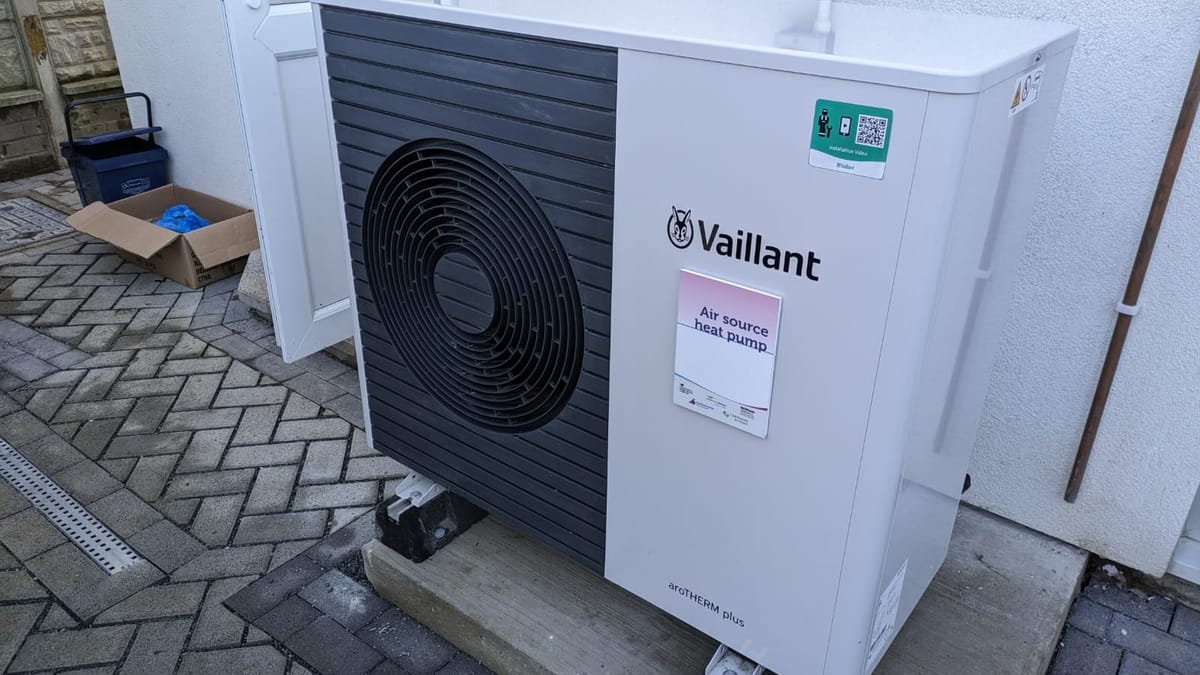
A heat pump is not just a greener boiler. It is a different heating system with different economics, design needs and user behaviour. For some homes it can be excellent. For others, the right answer is to improve the building first, get proper heat-loss calculations and avoid rushing into a poor installation.
This article is part of the sustainable living section and follows our practical guide to reducing home energy bills and carbon footprint. It should also be read with the home insulation guide, because heat pump performance depends heavily on building fabric and heat demand.
The short answer
In 2026, a heat pump is usually the lower-carbon choice because it moves heat using electricity rather than burning gas on site. Whether it is the cheaper choice depends on installation cost, grant eligibility, electricity and gas prices, heat pump efficiency, radiator sizing, insulation and tariff. A gas boiler is usually cheaper and simpler to install today, but it keeps the home tied to fossil gas and may face rising policy and market pressure over time.
How a heat pump differs from a boiler
A gas boiler burns gas to produce heat. An air source heat pump extracts heat from outside air and uses electricity to raise it to a useful temperature. The key performance measure is seasonal efficiency, often described through a coefficient of performance. If a heat pump delivers three units of heat for one unit of electricity over a season, its effective efficiency is far higher than a boiler's combustion efficiency.
The trade-off is that heat pumps usually work best with lower flow temperatures and longer run times. A boiler can blast high-temperature water through radiators. A heat pump prefers a well-sized system that can heat steadily and efficiently.
Upfront cost
Gas boilers are usually cheaper to install than heat pumps. Heat pump installations often involve the outdoor unit, cylinder or hot-water changes, pipework, controls, radiators, electrical work, condensate planning and commissioning. The UK Boiler Upgrade Scheme can reduce eligible installation cost, but the net cost still varies widely by property.
The right comparison is not simply "boiler price vs heat pump price". It is:
- What is the full installed cost after grants?
- Does the home need radiator upgrades?
- Does the hot-water system need changing?
- Are there fabric improvements that should happen first?
- How long do you expect to stay in the property?
- What happens if the boiler fails urgently?
Running cost
Running cost depends on gas price, electricity price and heat pump efficiency. Electricity is more expensive per kWh than gas in the UK, so a heat pump needs strong seasonal performance to compete. A well-installed heat pump on a suitable tariff may be competitive. A poorly specified heat pump running at unnecessarily high flow temperatures can disappoint.
Because energy prices change, readers should check current Ofgem price cap data, supplier tariffs and any heat pump-specific electricity tariffs rather than relying on old online comparisons.
Carbon impact
Gas boilers emit carbon dioxide at the point of use because they burn fossil gas. Heat pumps use electricity, and the UK's electricity grid has become much cleaner over time as coal has fallen and renewables have grown. That means the carbon case for heat pumps is usually stronger than the short-term cost case.
The carbon benefit improves further if the home also has solar generation, a genuinely low-carbon electricity tariff, or future grid decarbonisation. But embodied emissions, refrigerants and installation quality still matter, so heat pumps should be treated as a serious infrastructure decision, not a symbol.
House suitability
| Question | Why it matters | Good sign |
|---|---|---|
| Is the home reasonably insulated? | Lower heat demand makes low-temperature heating easier. | Loft insulation, draught control and manageable heat loss. |
| Are radiators large enough? | Heat pumps perform better at lower flow temperatures. | Installer performs room-by-room heat-loss calculations. |
| Is there space for an outdoor unit? | Airflow, noise and placement need planning. | Installer checks location, clearance and neighbours. |
| How is hot water supplied? | Some homes need cylinder changes. | Hot-water demand is designed into the system. |
| Is the installer certified under MCS (Microgeneration Certification Scheme)? | Quality and grant eligibility depend on standards. | Clear quote, design assumptions and commissioning data. |
When a gas boiler may still be chosen
A household may still choose a gas boiler where upfront budget is tight, the existing system fails unexpectedly, the property is unsuitable without major work, or the owner cannot tolerate disruption. That does not make gas a low-carbon choice. It means the retrofit pathway may need staging.
A staged approach can still be useful: improve loft insulation, draught-proof, fit better controls, review radiators, reduce flow temperature where possible, and prepare the property for a future heat pump.
Questions to ask a heat pump installer
- Will you provide room-by-room heat-loss calculations?
- What seasonal performance are you designing for?
- Which radiators need replacing and why?
- What flow temperature is the system designed around?
- How will hot water be handled?
- Is the installation eligible for the Boiler Upgrade Scheme?
- What noise, siting and planning constraints apply?
- What monitoring or handover information will I receive?
Common mistakes
The first mistake is comparing heat pumps and boilers only on upfront cost. The second is assuming a heat pump will fix a cold, leaky home without fabric improvements. The third is choosing the cheapest installer without checking design quality. The fourth is judging running cost without looking at the actual tariff and seasonal efficiency.
The fifth mistake is political: treating heat pumps as either magic or nonsense. They are neither. They are a mature technology that works best when the building, design and user expectations line up.
Bottom line
A heat pump is usually the stronger carbon choice, but not automatically the easiest financial choice. Before replacing a boiler, improve the fabric where practical, get proper design calculations, check grants and tariffs, and avoid any quote that treats a heat pump as a like-for-like boiler swap.
FAQ
Can a heat pump work in an older UK home?
Yes, but design matters. Older homes may need insulation, radiator upgrades, draught control or better controls before a heat pump performs well.
Is a heat pump always cheaper to run than gas?
No. Running cost depends on electricity and gas prices, seasonal efficiency, tariff, insulation and system design. Carbon savings are usually clearer than bill savings.
What is the biggest installation red flag?
A quote that does not include room-by-room heat-loss calculations or explain radiator, hot water and flow-temperature assumptions should be treated cautiously.
What changes the running-cost result
The heat pump versus gas boiler calculation is sensitive to three variables: electricity price, gas price and seasonal coefficient of performance. A heat pump with a strong design, low flow temperatures and a suitable tariff can look very different from a poorly installed system running on a standard electricity tariff. That is why any simple national average should be treated as a starting point, not a quote for a specific home.
For households, the most useful comparison is often not boiler versus heat pump in isolation. It is the whole heating package: insulation, radiator sizing, hot-water strategy, smart tariff access, maintenance, grant eligibility and how long the homeowner expects to stay in the property. A cheaper installation can become more expensive if it delivers low efficiency for fifteen years. A more careful design can cost more upfront but reduce performance risk. The installer survey and heat-loss calculation therefore matter as much as the headline appliance price.