
Reduce Home Energy Bills And Carbon Footprint
A practical UK guide to reducing home energy bills and carbon footprint, covering insulation, heating controls, draught-proofing, appliances, tariffs, smart meters and low-carbon upgrades.
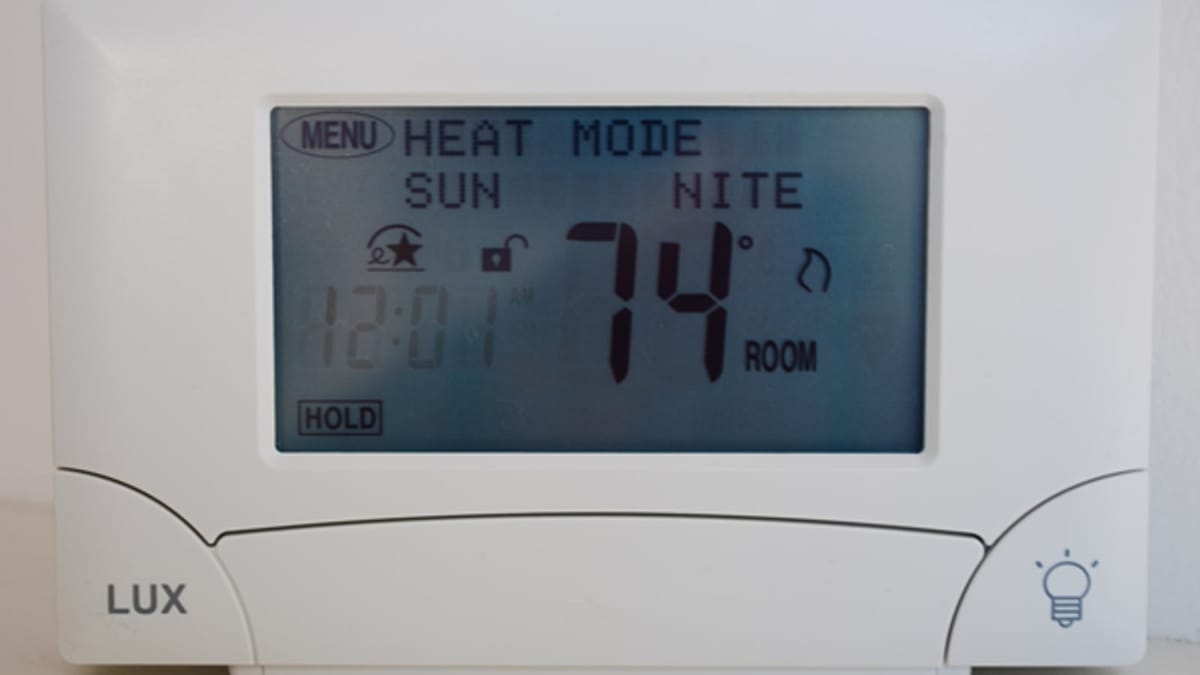
Cutting home energy bills and cutting carbon often point in the same direction: use less wasted heat, control heating better, improve the fabric of the home, and replace inefficient equipment when the timing makes sense. The trick is knowing which steps are quick wins and which require proper planning.
For larger home-upgrade decisions, read our comparison of heat pumps vs gas boilers.
The short answer
For most UK homes, the sensible order is: understand usage, reduce wasted heat, improve controls, tackle draughts and insulation, use appliances more efficiently, then consider larger upgrades such as solar panels, batteries, heat pumps or fabric retrofit. Our deeper guides to home insulation, smart thermostats and induction vs gas hobs cover those choices in more detail. Do not start with the most expensive technology if the home is still leaking heat through basic gaps.
Step 1: understand your current energy use
Before changing equipment, look at your energy bills, smart meter data and seasonal pattern. A home that uses lots of gas in winter has a different problem from a flat with high electric heating costs. A family home with constant hot water demand has a different profile from a one-person household. For the national rollout picture behind that data, see our Progress check on UK smart meter rollout in 2026.
Useful checks include annual electricity kWh, annual gas kWh, standing charges, tariff type, peak usage, whether heating is gas or electric, whether hot water is stored or combi, and whether any room is consistently too cold.
Step 2: draught-proof first
Draughts are one of the least glamorous energy problems, but they are often cheap to fix. Common sources include external doors, old windows, loft hatches, floorboards, chimneys, pipe penetrations and letterboxes. Draught-proofing works because it reduces uncontrolled air leakage while still allowing planned ventilation.
Do not block air bricks, extractor fans or ventilation needed for safety. The aim is to remove unwanted gaps, not make the building unhealthy.
For simple fixes, compare draught excluders, door draught-proofing strips and pipe insulation. The right product still depends on your property and ventilation needs.
Step 3: improve heating controls
Heating controls can cut waste without changing the boiler or heating system. Start with a programmer or smart thermostat, thermostatic radiator valves where appropriate, sensible room zoning, and avoiding heating rooms you do not use. A one-degree reduction in thermostat setting can matter over a full heating season if the home remains comfortable.
Better control also prepares a home for future low-carbon heating. Heat pumps work best in homes where heat demand is understood and emitters are sized properly. Even if you are not ready for a heat pump, knowing which rooms lose heat fastest is useful.
Step 4: insulation and building fabric
Insulation usually sits between quick wins and major retrofit. Loft insulation can be relatively straightforward in many homes. Cavity wall insulation may be suitable for some properties. Solid wall insulation, floor insulation and window upgrades are more complex and can be expensive. The right order depends on property age, moisture risk, ventilation and budget.
| Measure | Best for | Watch out for |
|---|---|---|
| Draught-proofing | Doors, windows, loft hatches, letterboxes and floor gaps. | Ventilation and combustion safety. |
| Loft insulation | Homes with accessible lofts and poor existing insulation. | Moisture, ventilation and storage boards compressing insulation. |
| Cavity wall insulation | Suitable cavity-wall properties. | Exposure, damp risk and installer quality. |
| Heating controls | Homes with uneven heating or poor schedules. | Overcomplicated settings that household members ignore. |
| Appliance changes | Old fridges, tumble dryers, lighting and standby loads. | Replacing working products too early can waste embodied carbon. |
Step 5: appliances and everyday habits
Lighting, laundry, cooking and refrigeration can all add up. LED (light-emitting diode) lighting is usually a simple win where old bulbs remain. Washing at lower temperatures, line drying where practical, cleaning tumble dryer filters, avoiding half-empty dishwasher loads and replacing very old refrigeration equipment at the right moment can all help.
Be careful with rebound effects. If a cheaper-to-run appliance makes you use it more, the saving may shrink. Efficiency works best when combined with sensible behaviour.
Step 6: bigger upgrades
Solar panels, home batteries, heat pumps, glazing, external wall insulation and whole-house retrofit can be valuable, but they need proper design and quotes. The best upgrade depends on roof, fabric, heating system, occupancy, local electricity price, grant eligibility and how long you expect to stay in the property.
For heat pumps, read our heat pump vs gas boiler guide. For most homes, the decision is not only carbon. It also involves installation cost, running cost, radiators, hot water, disruption, electricity tariff and installer quality.
What to avoid
- Buying a device before understanding the problem.
- Ignoring insulation because technology feels more exciting.
- Relying on headline savings that do not match your property.
- Blocking ventilation while draught-proofing.
- Assuming a smart thermostat saves money by itself.
- Replacing working appliances too early without considering embodied impact.
A simple home energy audit
You do not need specialist software to start. Walk through the home and write down the obvious energy drivers: heating type, thermostat setting, hot-water system, loft insulation, window condition, draught points, main appliances, lighting and rooms that are hard to keep warm. Then compare that with bills and meter readings. The aim is to connect what you feel in the building with what the meter is showing.
| Audit area | What to look for | Likely next step |
|---|---|---|
| Heating | Long run times, cold rooms, high winter gas use. | Check schedules, thermostat setting, radiator balance and insulation. |
| Hot water | Frequent heating of stored water or high shower demand. | Review cylinder timing, pipe insulation and usage habits. |
| Plug loads | Always-on equipment, old appliances, home office kit. | Measure with an energy-monitoring plug before replacing anything. |
| Fabric | Draughts, thin loft insulation, cold walls or damp risk. | Prioritise safe draught-proofing and suitable insulation advice. |
| Behaviour | Rooms heated when empty, tumble drying by habit, lights left on. | Change routines before buying more technology. |
Renter-friendly actions
Renters cannot always install insulation, solar panels or heat pumps, but they still have options. Draught excluders, thermal curtains, careful heating schedules, LED (light-emitting diode) bulbs, appliance monitoring and better use of thermostatic radiator valves can all help without permanent changes. Photograph any damp, mould or repair issues and report them to the landlord through the proper channel rather than trying to solve building defects with gadgets.
If you rent, avoid changes that damage fixtures, block required ventilation or alter fixed wiring. The safest improvements are reversible and clearly documented. If the home is very cold, damp or expensive to heat, product buying should sit alongside a conversation about repairs, insulation, heating maintenance and tenant rights.
Owner-occupier actions
Owner-occupiers can plan in layers. Start with cheap evidence and quick fixes, then schedule fabric improvements, then consider larger technologies. The best time to upgrade insulation, ventilation, windows or heating is often during repair or renovation work, not in isolation. If a boiler is close to failing, begin the heat pump or replacement decision early so you are not forced into the fastest quote during an emergency.
Keep records of what you do: insulation depth, installer details, warranty documents, energy performance certificates, smart meter readings and photos before and after work. Those records can help with future quotes, property sale, insurance and maintenance.
How to judge carbon savings
Carbon savings depend on what energy source is being reduced. Cutting gas heating demand reduces direct fossil-fuel combustion in the home. Cutting electricity use reduces grid electricity demand, although the carbon intensity of electricity changes by time and season. A heat pump, solar system or battery can change the profile again. For most households, the practical message is still the same: wasted heat and wasted electricity are worth reducing first.
Be careful with claims that give a precise carbon saving without knowing the property, tariff, occupancy and installation detail. Treat exact numbers as estimates and focus on the actions that are robust across scenarios: insulation where suitable, heating control, efficient lighting, avoiding unnecessary electric heating, and replacing failing high-use appliances with efficient models.
Best fit summary
The best home energy plan is usually layered. Start with meter data and obvious waste. Move to draughts, heating controls and insulation. Then consider larger upgrades once the building is ready and the numbers are specific to the home. That sequence is not as exciting as buying the biggest technology first, but it is usually more reliable.
A useful rule is to write down the next three actions, the expected benefit and the evidence you will use to check whether they worked. That keeps the plan practical.
How to decide what not to buy
A home energy plan should include a stop list as well as a shopping list. Do not buy a smart thermostat if nobody in the household will use the schedules. Do not buy appliance monitors before checking whether the main problem is gas heating. Do not buy solar, battery storage or a heat pump because a headline saving looks attractive if the quote does not use your actual usage data.
The simplest filter is evidence. If a product solves a measured problem, it belongs on the shortlist. If it only feels like progress, leave it until the bigger drivers are understood. That approach is less exciting than buying a stack of gadgets, but it is much better for bills, carbon and trust.
Where the biggest gains usually sit
For gas-heated homes, the biggest carbon and cost opportunities often sit in heat demand: insulation, draught control, heating schedules, radiator balance and eventually heating-system choice. For electrically heated homes, the main questions may be tariff, insulation, controls and whether the heating type is suitable for the property. For homes with high plug loads, appliance measurement can be genuinely useful, but only after lighting, heating and always-on loads have been separated.
This is why home energy advice should not start with products. It should start with the fuel, the building and the pattern of use. Products come later, once they have a job to do.
Bottom line
Start with the home you have: usage data, draughts, heating controls and insulation. Then move to larger upgrades when the building is ready and the numbers make sense. The cheapest carbon saving is often the heat you stop wasting.
FAQ
What should most households do first?
Start by understanding usage, fixing obvious draughts, improving heating controls and checking insulation. These steps often help before expensive technology is considered.
Can smart thermostats save money?
They can, but only if they are used well. A smart thermostat does not save much if schedules, temperatures and room use are poorly set.
Should working appliances be replaced early?
Not automatically. Very inefficient or failing appliances may be worth replacing, but replacing working products too early can waste money and embodied carbon.
Useful source links
- Energy Saving Trust: energy saving tips
- Energy Saving Trust: draught-proofing
- Energy Saving Trust: roof and loft insulation
- Ofgem: energy price cap unit rates and standing charges
- Heat pump vs gas boiler in 2026
- Home insulation guide UK
- Smart thermostat vs programmer
Affiliate disclosure
This guide includes Amazon affiliate links for practical home-energy products such as draught-proofing and pipe insulation. The Planet Brief may earn from qualifying purchases. Product links are supporting examples, not a substitute for property-specific advice.