
Organic Cotton Basics Uk
A practical UK guide to organic cotton T-shirts, hoodies and basics, explaining certification, fabric weight, durability, greenwashing, Prospereco and what to check before buying.
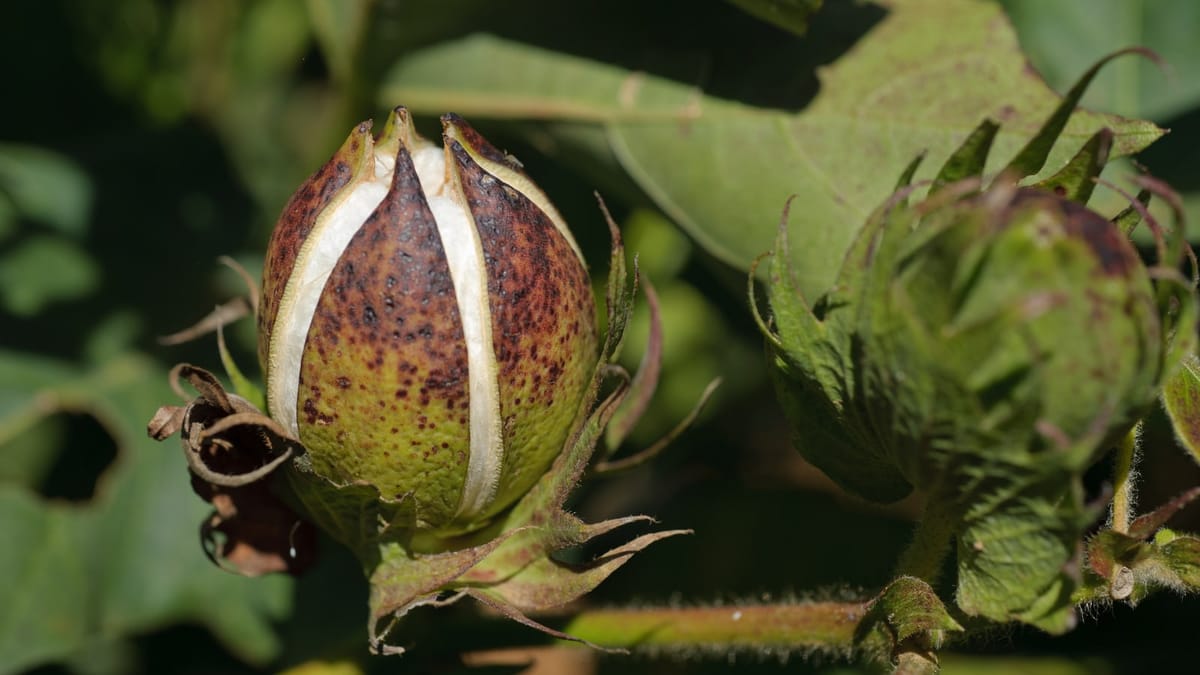
Organic cotton basics sound simple: T-shirts, hoodies, sweatshirts and caps made from cotton grown without conventional synthetic pesticides or fertilisers. In practice, the useful question is not only whether the cotton is organic. It is whether the finished garment is durable, wearable, fairly represented and worth buying in the first place.
If you are comparing organic cotton basics, start with our guide to sustainable clothing brands UK and our sustainable gift ideas. Basics can work better than novelty products when they are durable, well-sized and likely to be worn often.
The short answer
Organic cotton is generally a stronger starting point than conventional cotton for basics, especially where the brand can point to credible certification and clear supply-chain information. But organic cotton is not magic. A poorly made organic T-shirt that shrinks, twists or sits unworn in a drawer is still a poor use of resources. A good basic should combine better material, good construction, useful fit and enough durability to be worn repeatedly.
What does organic cotton actually mean?
Organic cotton refers to cotton grown according to organic farming standards. The strongest consumer-facing claims usually involve certification, not just brand wording. GOTS (Global Organic Textile Standard) is one of the most recognisable standards because it covers organic fibres and also includes processing criteria. Other schemes and supplier claims may also appear, but the important step is the same: check whether the brand explains the standard and where it applies.
There is a difference between "made with organic cotton" and a fully certified organic textile claim. One may refer to fibre content only. The other may involve processing and supply-chain rules. If the distinction matters to you, check the product page rather than the collection headline.
What to check before buying an organic cotton T-shirt
| Check | Why it matters | Good sign |
|---|---|---|
| Fabric weight | Very thin tees may wear out faster or become transparent. | The brand gives GSM or describes weight clearly. |
| Fit and cut | A sustainable garment only works if you keep wearing it. | Clear measurements, model sizing and return information. |
| Construction | Neckline, seams and hem quality affect lifespan. | Durable stitching and care guidance. |
| Certification | Reduces reliance on vague wording. | GOTS or other named standard explained on the site. |
| Production model | Overproduction is a major fashion problem. | Made to order, small batches, repair or circularity information. |
Where Prospereco fits
Bristol-based Prospereco is a natural fit for organic cotton basics because its current range focuses on T-shirts, hoodies and caps rather than trend-led seasonal collections. Its printed-to-order model is useful because it reduces the risk of large unsold inventory. Its carbon-offset delivery claim also has a clearer boundary than many fashion claims: it relates to delivery emissions, not the entire lifetime footprint of the garment.
That does not mean every reader should buy from Prospereco. It means Prospereco is worth including in a shortlist if you want UK-linked organic cotton basics, especially if you value made-to-order production and a more explicit carbon-credit story. Readers can compare the claim against Prospereco's sustainability notes before buying.
Organic cotton hoodie checklist
Hoodies use more material than T-shirts, so the buy-less-and-wear-more rule matters even more. Before buying, check the cotton content, blend, weight, hood construction, cuffs, zip or pullover style, wash guidance and whether the brand offers enough size information. A hoodie you wear weekly for years is a better purchase than three cheaper garments you barely use.
Be careful with heavy discounting. Discounts are not automatically bad, but sustainability and high-volume impulse buying are uneasy companions. If the product is heavily discounted because a brand has overproduced, that tells a different story from a made-to-order product or a permanent core basic.
Are recycled synthetics better than organic cotton?
It depends on the garment. Recycled polyester can be useful in products that need stretch, weather resistance or technical performance. Organic cotton is usually easier to understand for everyday basics such as T-shirts and sweatshirts. The trade-off is that cotton is still a crop requiring land and water, while synthetics still raise concerns around microfibres and fossil-based inputs even when recycled.
The practical test is function. If the garment is a plain everyday tee, organic cotton is often a cleaner choice. If the garment is a waterproof shell or performance fleece, the answer is more complicated.
How to make organic cotton basics last
- Wash cooler unless the care label says otherwise.
- Avoid tumble drying when line drying is practical.
- Do not wash after every short wear unless the garment is actually dirty.
- Repair small holes before they spread.
- Store folded knitwear and heavier hoodies properly.
- Buy colours and cuts you will still like next year.
Best-use cases
Organic cotton basics are strongest for everyday T-shirts, casual hoodies, sweatshirts, simple caps, base wardrobe layers and gifts where sizing is low risk. They are less useful for technical sportswear, waterproof outerwear, abrasion-heavy workwear or anything that genuinely needs specialist fibres.
When not to buy
The lowest-carbon basic is often the one already in the wardrobe. Organic cotton does not make an unnecessary purchase sustainable. If the existing T-shirt, hoodie or sweatshirt is still wearable, repairing it, washing it carefully or wearing it for another season is usually better than replacing it early.
This is especially true for wardrobe duplication. Buying five similar organic cotton T-shirts because they seem more ethical can recreate the same overconsumption problem that sustainable fashion is meant to avoid. A better test is whether the item fills a real gap: a workwear basic that will be worn weekly, a hoodie replacing one that has worn out, or a gift that is likely to be used rather than stored.
For a broader wardrobe strategy, read the sustainable wardrobe guide. For brand-level comparison, use sustainable clothing brands UK. The stronger approach is to combine better materials with fewer, better-used purchases.
Bottom line
Organic cotton is a good starting point for better basics, but the final decision should be based on certification, durability, fit, production model and whether you will actually wear the garment. Buy fewer basics, choose them more carefully and treat care instructions as part of the sustainability story.
FAQ
Is GOTS the only certification that matters?
No, but it is one of the better-known standards because it covers organic fibres and processing requirements. Other claims can still be useful, but the brand should explain the standard clearly.
Are organic cotton hoodies always better than recycled polyester?
Not always. Organic cotton is often a good choice for everyday basics. Recycled synthetics can make sense for technical clothing where stretch, weather resistance or performance are needed.
How can basics last longer?
Choose a fit you will keep wearing, wash cooler where appropriate, avoid unnecessary tumble drying, repair small faults early and avoid impulse colours or cuts that age quickly.
When organic cotton matters most
Organic cotton is most useful when it is part of a wider durability and production story. The fibre standard can reduce certain chemical and farming impacts, but it does not automatically make a garment low impact. Dyeing, finishing, transport, garment quality, returns, washing and how often the item is worn still matter.
For shoppers, organic cotton is usually strongest for basics that will be worn regularly: T-shirts, underwear, socks, baby clothes, bedding and simple layers. It is less persuasive when the item is still cheap, trend-led and likely to be worn only a few times. Readers should check certification, fabric weight, stitching, care instructions and whether the brand explains where the garment is made. The better question is not whether organic cotton is perfect. It is whether the product is useful, durable and honestly described.
Useful source links
- Global Organic Textile Standard
- Prospereco current organic cotton basics range
- WRAP Textiles 2030
- How to build a sustainable wardrobe
- Sustainable gifts UK
Editorial disclosure
This guide may mention Prospereco because organic cotton basics are one of its core product areas. The same checks should be applied to every brand: material evidence, durability, production model, price, fit and whether you will actually wear the garment.