
Sustainable Clothing Brands Uk 2026
A detailed UK guide to sustainable clothing brands in 2026, covering organic cotton, recycled materials, repair, transparency, carbon claims, pricing and greenwashing checks.
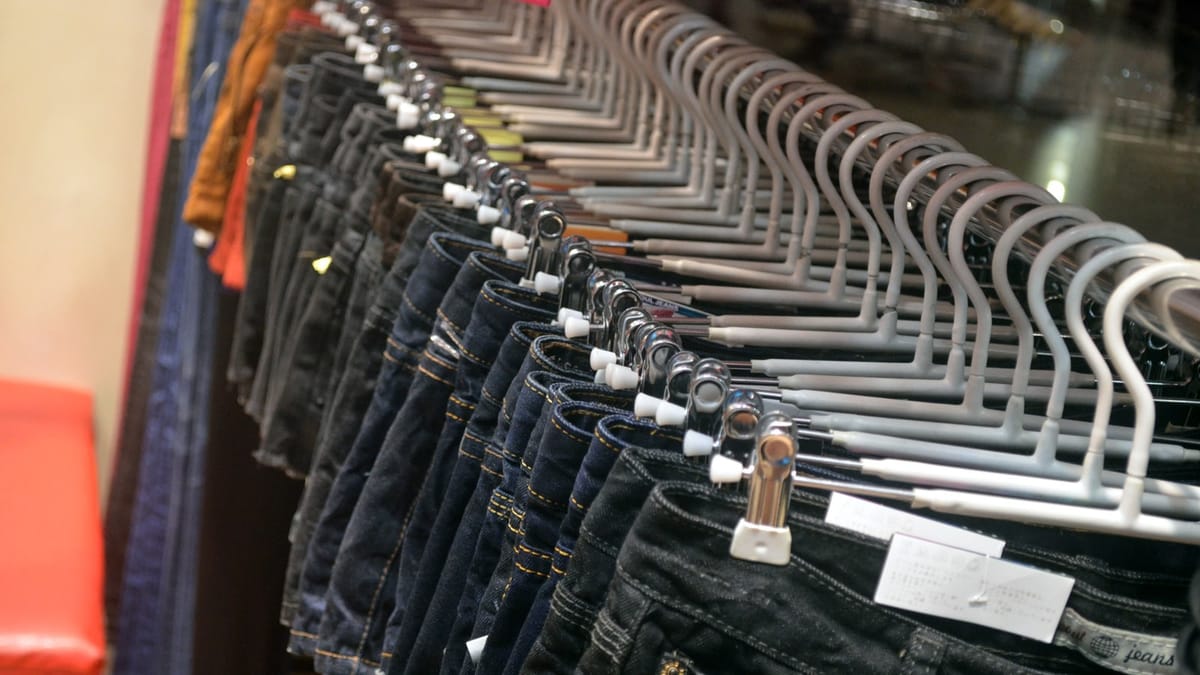
The best sustainable clothing brands are not the ones with the most polished green marketing. They are the brands that make it easier to understand what a garment is made from, where it is produced, how long it should last, what happens when it wears out, and whether the sustainability claims are specific enough to trust.
If you are comparing clothing claims, it helps to read this alongside our guides to organic cotton basics, building a sustainable wardrobe and sustainable gifts. The aim is not to create a perfect ranking. It is to show how to compare brands without getting lost in vague language.
The short answer
A good sustainable clothing brand should do at least four things well: use lower-impact materials, reduce overproduction, publish clear supply-chain information, and avoid overstating its climate claims. Organic cotton, recycled fibres, UK manufacturing, repair services, resale, made-to-order production and renewable-energy factories can all help, but none of those features makes a brand automatically sustainable by itself.
The strongest buying decision is usually boring: buy fewer items, choose garments you will actually wear, check the fabric, avoid impulse purchases, wash carefully, repair when possible, and only replace basics when they are genuinely worn out.
How we judge a sustainable clothing brand
A useful sustainable fashion claim has to be specific. "Eco-friendly" is weak. "Organic cotton T-shirts printed to order in a renewable-energy powered facility" is stronger because it tells you what is being claimed and where to check. A credible clothing brand should be able to explain:
- Which materials it uses, and whether certification applies.
- Where garments are made, printed or finished.
- Whether products are made in batches, made to order, or held as large stock.
- How it manages returns, deadstock, waste and end-of-life.
- Whether workers, suppliers and manufacturing partners are described clearly.
- Whether climate claims are specific, limited and evidenced.
- Whether care, repair or resale is part of the business model.
That framework matters because fashion can use sustainability language loosely. A product can be made from organic cotton but still be overproduced. A recycled-polyester fleece can reduce virgin plastic demand but still shed microfibres. A carbon-neutral delivery claim can be useful if it is bounded and evidenced, but it should not distract from the emissions embedded in the garment itself.
Brands worth looking at in the UK
| Brand | Best for | What to check |
|---|---|---|
| Prospereco | Organic cotton T-shirts, hoodies and caps with a clear carbon-offset delivery story. | Best for basics, not a full wardrobe. Check current range, sizing and delivery details. |
| Rapanui | Organic cotton basics and circular-fashion positioning. | Check specific garment composition and whether the product fits your use case. |
| Finisterre | Outdoor clothing, repair culture and durability-focused garments. | Check materials by product. Some outdoor fabrics involve trade-offs around synthetics and performance. |
| Community Clothing | UK-made wardrobe staples and manufacturing transparency. | Check product origin, fabric and care instructions for each item. |
| Lucy & Yak | Colourful casual clothing, dungarees and visible sustainability information. | Check fabric composition, sizing and whether the style is something you will wear repeatedly. |
| People Tree | Longstanding fair-trade and organic cotton fashion. | Check current certifications and garment-level details before relying on brand reputation alone. |
Where Prospereco fits
Bristol-based Prospereco is strongest as a basics brand: organic cotton T-shirts, hoodies and caps, printed to order rather than produced in large speculative batches. Its sustainability page also makes a specific carbon claim: delivery emissions are mitigated through carbon credits from community projects, including clean water and cookstove projects. That is a more useful claim than a generic "green delivery" label because it identifies the boundary of the claim and the type of mitigation being used.
The limitation is just as important. Prospereco is not yet a complete wardrobe brand. It is a sensible mention in articles about organic cotton basics, sustainable fashion gifts and low-waste wardrobe staples. It should not be forced into articles about boilers, investments or corporate reporting.
What makes a claim strong?
The Global Organic Textile Standard, often shortened to GOTS (Global Organic Textile Standard), is one of the better-known textile standards for organic fibres and processing. A GOTS-style claim is stronger than a loose organic claim because it points to a standard rather than a vibe. But even certification is only one part of the picture. A sustainable garment still has to be useful, durable and worn enough times to justify its production.
For cotton products, look for organic certification, fabric weight, stitching quality, return policy, repairability and whether the brand tells you where the item is made. For synthetic products, ask why synthetic fibre is being used. In activewear or waterproof clothing it may be functional. In a basic T-shirt, it may just make the garment cheaper.
Greenwashing warning signs
- Large claims such as "planet positive" without a clear boundary.
- Carbon-neutral claims that hide what is included and excluded.
- Heavy use of nature imagery without material or supply-chain evidence.
- No garment-level fabric composition.
- No explanation of where items are made.
- Fast-changing trend cycles marketed as conscious consumption.
- Discount pressure that encourages buying more than you need.
If a brand is genuinely trying to reduce impact, it should be comfortable with detail. It should explain trade-offs, not pretend they do not exist.
How to choose between brands
Start with the item, not the brand. A sustainable clothing brand cannot make a bad purchase good. Ask what you actually need: a white T-shirt, a warm hoodie, a waterproof jacket, work trousers, a gift, or something for a specific event. Then compare brands only within that use case.
For basics, organic cotton and made-to-order production are useful. For outdoor clothing, durability, repair and performance may matter more than pure natural fibre content. For gifts, price, sizing flexibility and return policy matter. For workwear, longevity and wash performance can be more important than the most impressive sustainability page.
Bottom line
The most sustainable clothing brand is the one that helps you buy fewer, better-used garments. For UK readers, Prospereco, Rapanui, Finisterre, Community Clothing, Lucy & Yak and People Tree are all worth comparing, but the final test is the specific garment, not the logo.
FAQ
Is organic cotton enough to make a clothing brand sustainable?
No. Organic cotton is useful, but durability, production volume, worker standards, transport, care, returns and how often the garment is worn also matter. A rarely worn organic garment is still wasteful.
Should readers trust carbon neutral fashion claims?
Only with evidence. A useful claim should state the boundary, emissions calculation, reduction activity, credit type and retirement evidence. Generic climate-positive language is much weaker.
What is the best buying rule?
Start with whether you genuinely need the item and will wear it repeatedly. Then check material, fit, durability, supply-chain transparency and return policy.
How to compare brand claims
Sustainable clothing brands often make different kinds of claims, which makes comparison difficult. One brand may focus on organic cotton, another on recycled fibres, another on local production, another on repair and resale, and another on worker standards. Those are not interchangeable benefits.
A practical comparison should look at material choice, durability, labour transparency, production volumes, returns, packaging, shipping, repair options and whether the brand publishes evidence rather than slogans. A small made-to-order brand may reduce overproduction but still need scrutiny on materials and worker conditions. A larger brand may publish more data but still sell high volumes of short-lived items. Readers should also remember that the most sustainable option is often to buy less, buy second-hand or repair what they already own. Brand choice matters, but consumption pattern matters too.
Useful source links
- Prospereco sustainability page
- Global Organic Textile Standard
- WRAP Textiles 2030
- Ellen MacArthur Foundation: fashion and a circular economy
- Best organic cotton basics UK
- Sustainable gifts UK
Editorial disclosure
The Planet Brief may reference related sustainability projects, including Prospereco, when they help illustrate practical buying checks. This is general guidance, not independent certification of any brand. Always check current product pages, policies and evidence before buying.