
Sustainable Wardrobe Guide
A practical guide to building a sustainable wardrobe without wasting money, covering cost per wear, buying fewer garments, repair, resale, care, materials and greenwashing checks.
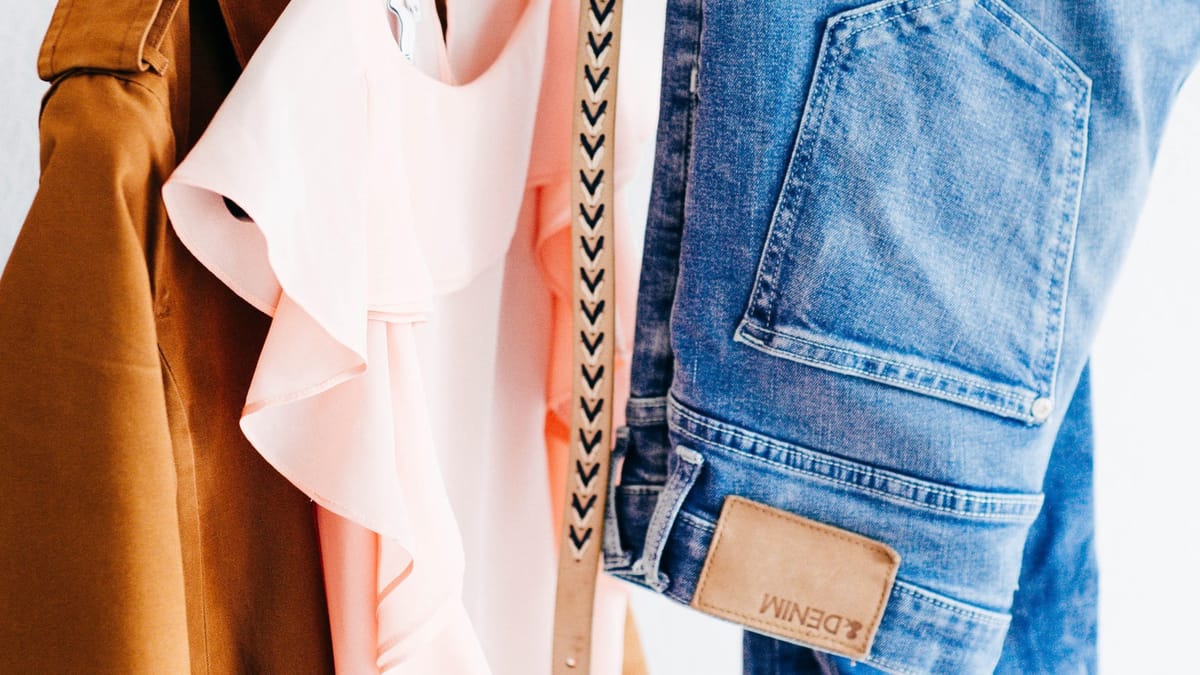
A sustainable wardrobe is not a wardrobe full of new sustainable products. It is a wardrobe that works harder: fewer bad purchases, more repeat wears, better care, less panic buying and clearer rules for what deserves space in your life.
This guide connects our sustainable clothing brands guide with the more practical work of deciding what to buy, keep, repair and avoid.
The short answer
The most sustainable wardrobe strategy is usually to buy less, buy better and use what you already own. That sounds obvious, but it is commercially inconvenient for the fashion industry. A good wardrobe system reduces impulse purchases, makes outfit choices easier, and turns sustainability into a practical habit rather than a guilt exercise.
Start with a wardrobe audit
Before buying anything new, pull out the clothes you actually wear in a normal month. Then split the rest into four groups: repair, alter, sell or donate, and archive. The goal is not minimalism for its own sake. The goal is to understand what your real life requires.
Patterns will appear quickly. You may own too many event pieces and not enough good basics. You may buy colours you like online but never wear. You may avoid certain garments because the fit is off, the fabric is uncomfortable, or the care instructions are annoying. Those observations are more useful than any trend list.
Use cost per wear
Cost per wear is simple: divide the purchase price by the number of times you expect to wear the item. A GBP 70 shirt worn 100 times costs 70p per wear. A GBP 25 shirt worn twice costs GBP 12.50 per wear. The cheaper item was not really cheaper.
This is not an excuse to overspend. It is a discipline for avoiding false economy. Basics, shoes, coats, workwear and frequently worn layers are often where quality matters most. One-off event pieces are where borrowing, renting, second-hand buying or re-wearing may make more sense.
Build around categories, not trends
| Category | Better question | Sustainable angle |
|---|---|---|
| Basics | Will I wear this weekly? | Organic cotton, good fit, simple colours, easy care. |
| Outerwear | Will it last through real weather? | Durability, repair, weather performance. |
| Workwear | Does it suit my actual workplace? | Versatility and repeated use. |
| Occasion wear | Could I borrow, rent or rewear? | Avoiding low-use purchases. |
| Sportswear | Does the fabric need to be technical? | Function-first material choices. |
Where to use sustainable brands
Sustainable brands are most useful when they replace something you were already going to buy. For organic cotton basics, Bristol-based Prospereco is worth considering because it focuses on printed-to-order T-shirts and hoodies with carbon offset delivery. For outdoor clothing, repair-focused brands may be more relevant. For specialist workwear, durability may matter more than organic fibre content.
The trap is using sustainable branding to justify unnecessary buying. A better question is: would I still want this item if it had no sustainability label at all?
Repair, alter and care
Repair is often the least glamorous and most effective part of a sustainable wardrobe. Loose buttons, small holes, broken zips and poor hems are usually cheaper to fix than to replace. Alterations can also rescue garments that are good quality but poor fit.
Care matters too. Washing cooler, using gentler cycles, avoiding unnecessary tumble drying and following the label can extend garment life. Clothes that last twice as long cut the replacement rate dramatically.
Second-hand and resale
Second-hand buying can reduce demand for new production, but it still needs discipline. Buying ten second-hand items you do not wear is not a sustainable victory. The same wardrobe rules apply: fit, use case, quality, care and repeat wear.
Resale works best for categories with recognised brands, good condition and clear sizing. It works less well for heavily worn basics. For those, buying fewer and better new items may be more realistic.
The three-month buying pause
For non-essential clothing, add a three-month pause. Save the product link, close the tab, and revisit it later. If you still want it, know exactly where it fits, and can afford it, the purchase is more likely to be useful. If you forget it, it was probably a dopamine purchase, not a wardrobe need.
Red flags
- You are buying because it is discounted, not because you need it.
- The brand says "conscious" but gives no garment-level evidence.
- The item needs awkward care you know you will ignore.
- You are buying for a fantasy lifestyle, not your actual week.
- You cannot picture at least three outfits using the garment.
How to make the system stick
The practical problem with sustainable wardrobes is not knowledge. Most people already know that buying less is better than buying constantly. The hard part is building a system that works when you are tired, busy, cold, bored or preparing for an event. That is why the rules need to be simple enough to use in a shop, on a resale app or while browsing online.
Try keeping a short wardrobe note on your phone: sizes that actually fit, colours you wear, gaps that are real, items you are not allowed to rebuy, and brands that have lasted well. This turns sustainability from a moral question into a buying filter. If an item does not fit the note, it needs a stronger reason to exist.
When buying new is reasonable
Buying new can be reasonable when the item fills a real gap, will be worn often, can be cared for easily and is better made than the cheap version it replaces. Underwear, socks, plain basics, workwear and technical clothing are all categories where second-hand is not always the best answer. The aim is not to avoid every new purchase. The aim is to stop buying items that fail quickly or never get used.
For practical product-led decisions, use this guide alongside sustainable clothing brands UK, organic cotton basics and sustainable gifts UK. Those guides are most useful when they support an existing need, not when they create a new one.
Bottom line
The sustainable wardrobe is mostly a behaviour change. Better brands help, but the biggest wins are fewer impulse buys, more repeat wear, better care, repair, and choosing clothes for the life you actually live.
FAQ
Is buying second-hand always better?
Second-hand is often lower impact than buying new, but it still needs discipline. Buying items you do not wear is still wasteful, even if they were pre-owned.
What is cost per wear?
Cost per wear divides the price by the number of times you expect to use the item. It helps compare durability and usefulness, not just the purchase price.
How often should you audit your wardrobe?
A seasonal review is enough for most people. The aim is to notice what you actually wear, what needs repair, and which buying habits are creating waste.
How to make the wardrobe change stick
A sustainable wardrobe is easier to maintain when the rules are practical. The aim is not to replace every item with a perfect ethical alternative. It is to buy fewer items, wear them more often, repair what is worth repairing and avoid impulse purchases that only solve a short-term styling problem.
A useful test is cost per wear. An item worn fifty times is often a better purchase than a cheaper item worn twice, even before considering fibre, dyeing, shipping or packaging. Readers can also set simple friction rules: wait 48 hours before buying, check whether the item works with existing clothes, avoid duplicates, repair small faults quickly and keep a donation or resale bag for items that still have useful life. Brand claims matter, but behaviour matters too. The lowest-waste wardrobe is usually the one that turns existing clothes into longer-lived assets.