
Small Business Carbon Reduction Plan
A practical small business carbon reduction plan guide covering Scope 1, 2 and 3 emissions, targets, evidence, supplier data, offsets, green claims and useful tools.
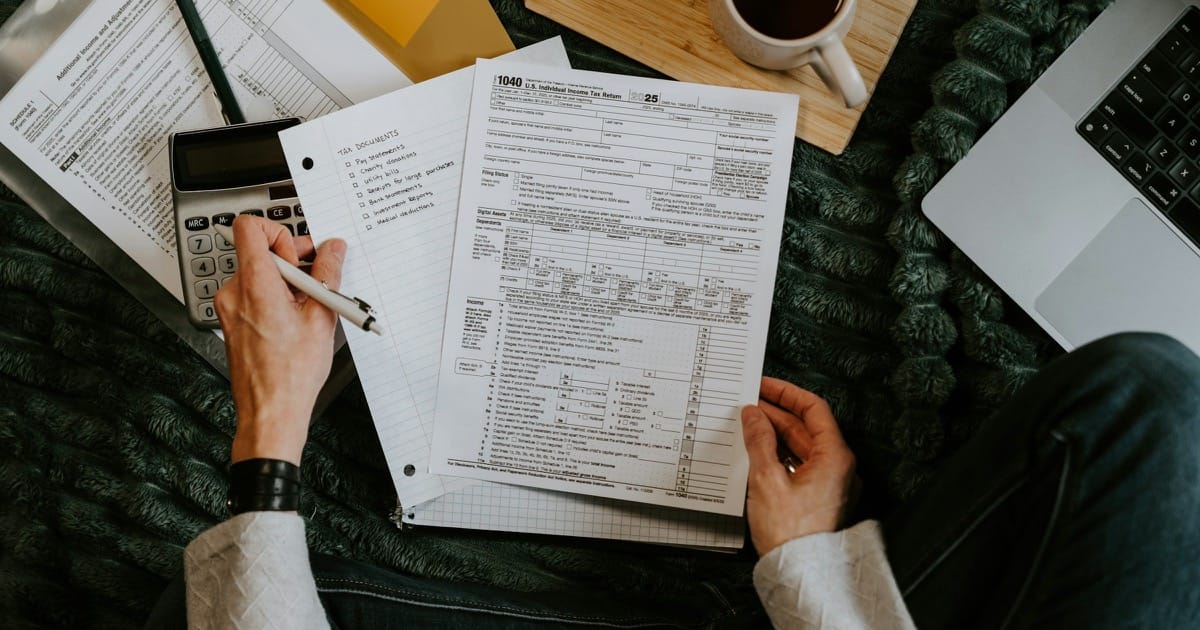
A carbon reduction plan turns climate ambition into a working business system. For a small business, the point is not to create a glossy PDF. The point is to know where emissions come from, what can realistically be reduced, what evidence should be kept, and how to avoid weak net zero claims.
Quick answer: a good small business carbon reduction plan should include a baseline year, Scope 1, Scope 2 and relevant Scope 3 emissions, a short list of priority actions, a target, a named owner, review dates, evidence files, and a clear position on offsets. If you cannot evidence a claim, do not make it public yet.
Carbon reduction plans are becoming more commercially useful because customers, investors, lenders, staff and procurement teams increasingly ask the same question: what is the business actually doing to reduce emissions? A credible answer needs more than a pledge. It needs numbers, actions and records.
This guide is written for small and growing businesses that want a practical route into carbon accounting and emissions reduction without turning the first month into an enterprise software project. If you need the basics first, start with what net zero means, then read Scope 1, 2 and 3 emissions explained. If company vehicles are material to your footprint, the UK ZEV mandate is the policy signal to understand alongside fleet planning.
What is a carbon reduction plan?
A carbon reduction plan is a documented plan for measuring, managing and reducing a business's greenhouse gas emissions over time. It normally sets out:
- What part of the business is included
- The baseline year used for comparison
- The emissions sources included in the footprint
- The reduction target and timeline
- The actions the business will take
- Who owns each action
- How progress will be reviewed
- What evidence sits behind public claims
For larger companies, a carbon reduction plan may be tied to formal disclosure, procurement rules, science-based targets or audited reporting. For a smaller business, it can start as a clear internal document that gets stronger over time. The important part is that it is specific, measured and updated, not vague and promotional.
Carbon reduction plan vs net zero plan
The terms are often used loosely, but they are not exactly the same.
| Term | What it usually means | Risk if used badly |
|---|---|---|
| Carbon reduction plan | A practical plan to reduce measured emissions from a business, product, site or activity. | Can become a checklist without a real target or ongoing review. |
| Net zero plan | A longer-term strategy to reduce emissions deeply and deal with residual emissions in line with a credible net zero definition. | Can become misleading if it relies too heavily on offsets or distant promises. |
| Carbon neutral claim | A claim that emissions have been balanced, often using carbon credits, for a defined period or activity. | Can distract from actual reduction if the footprint and credits are weak. |
If you are unsure how these claims differ, read net zero vs carbon neutral before publishing anything customer-facing. It is safer to say "we are measuring and reducing our emissions" than to make a net zero claim you cannot yet defend.
The seven-part plan
A useful carbon reduction plan has seven parts. You can build the first version in a week, then improve the accuracy over the next quarter.
| Part | Decision to make | Evidence to keep |
|---|---|---|
| Boundary | Which company, sites, vehicles, staff and activities are included? | Organisation chart, site list, vehicle list, reporting notes. |
| Baseline | Which year will future reductions be compared against? | Energy bills, fuel receipts, travel records, purchase data. |
| Footprint | Which Scope 1, 2 and 3 categories are material? | Calculation workbook, emission factors, source files. |
| Targets | What will you reduce by when? | Target rationale, board approval, assumptions. |
| Actions | Which changes will cut emissions in real operations? | Action owner, status, costs, dates, supplier emails. |
| Claims | What can you honestly say externally? | Claim wording, evidence folder, review date. |
| Review | How often will the plan be updated? | Quarterly notes, annual footprint, lessons learned. |
Step 1: set the boundary
Start by deciding what the plan covers. A carbon reduction plan for a whole company is different from a plan for one office, one product line, one project or one event.
For a small business, the simplest starting boundary is usually the legal business entity and the operational activities it controls. That means your offices, vehicles, owned equipment, purchased electricity, business travel and the key goods and services you buy. If you have multiple entities, brands or sites, record which are included and which are not.
Do not hide exclusions. If you leave something out because the data is not ready, say so internally and add it to the improvement plan. A rough but honest boundary is stronger than a polished plan with invisible gaps.
Step 2: build a baseline footprint
The baseline is your starting point. It is the year you use to compare future reductions. Many small businesses use the most recent full financial year because bills, mileage, travel and purchases are already filed by that period.
A basic business footprint usually starts with:
- Scope 1: fuel burned directly by the business, such as gas heating, company vehicles or onsite equipment.
- Scope 2: purchased electricity, heat or cooling.
- Scope 3: other value chain emissions, such as business travel, commuting, purchased goods, freight, waste and cloud services.
The temptation is to chase every Scope 3 category immediately. That can stall the whole process. A better first pass is to include the categories that are likely to matter most, record any assumptions, then improve the data next year. Our guide on how to calculate your business carbon footprint walks through this in more detail.
Try it: estimate your starting footprint
Before choosing reduction actions, it helps to see which emissions sources are likely to matter most. Use the tool below as a quick planning aid, then keep the actual bills, travel records and supplier data behind any result you rely on.
Tool via The Carbon Workbench
Where The Carbon Workbench fits
Tools are useful when they make the method clearer, keep assumptions visible and help a team move from data to decisions. They are not useful if they encourage a business to treat a calculator result as a finished climate strategy.
The Carbon Workbench can sit in the early measurement and planning layer. For a small business carbon reduction plan, the most relevant parts are the carbon footprint analyser, CO2e conversion tools, methodology selector and pathway planning workflows. Those tools can help structure inputs, compare scenarios and keep the calculation logic easier to review than a loose spreadsheet.
Disclosure
The Carbon Workbench is connected to The Planet Brief. It is included here because it is directly relevant to carbon measurement and reduction planning. It should still be treated as a tool to support judgment, not as legal, accounting, assurance or investment advice.
The strongest use case is not "click a button and become net zero". The stronger use case is: collect the right data, make the assumptions visible, test which actions matter, and create a cleaner evidence trail for the claims you eventually make.
Step 3: find the biggest reduction levers
Once you have a baseline, rank emissions by size and controllability. A category can be large but hard to control, or small but easy to fix quickly. The first year should usually combine quick operational wins with one or two deeper changes.
| Emission source | Common reduction options | Typical evidence |
|---|---|---|
| Electricity | Efficiency upgrades, renewable tariff review, onsite solar where practical, equipment controls. | Electricity bills, tariff documents, meter readings, installer records. |
| Gas and heating | Heating controls, insulation, heat pump review, maintenance, lower set points. | Gas bills, maintenance records, landlord correspondence. |
| Company vehicles | Route planning, EV (electric vehicle) transition, fewer journeys, driver behaviour, vehicle right-sizing. | Fuel receipts, mileage logs, leasing records, travel policy. |
| Business travel | Rail-first policy, virtual meetings, fewer internal flights, trip approval rules. | Travel bookings, policy documents, expense records. |
| Purchased goods | Supplier engagement, lower-carbon materials, longer product life, procurement standards. | Supplier questionnaires, invoices, product data sheets. |
| Waste | Reduce waste at source, reuse, better segregation, supplier take-back schemes. | Waste transfer notes, contractor reports, audit photos. |
For many small businesses, electricity, heating, travel, freight and purchased goods are the places to look first. For service businesses, travel, commuting, cloud/software and purchased services may matter more. For product businesses, materials, packaging and freight can dominate quickly.
Step 4: set a target that can survive scrutiny
A target should be ambitious enough to matter and specific enough to manage. "Reduce emissions" is not a target. "Reduce Scope 1 and 2 emissions by 50% by 2030 from a 2025 baseline" is much clearer.
Small businesses do not always need a formal science-based target on day one, but the logic should still follow the same direction: reduce real value chain emissions first, then deal carefully with residual emissions. Our SBTi explainer covers how science-based targets are validated for larger companies and why Scope 3 emissions are difficult. If you use a long-term net zero target, back it with near-term milestones. A 2040 or 2050 promise with no 12-month actions is weak.
A practical target stack might look like this:
- Year 1: complete baseline, reduce obvious energy waste, create travel and procurement rules.
- Year 2: improve Scope 3 data, switch priority suppliers where justified, reduce business travel emissions.
- Year 3: deepen energy, fleet and product changes, start external reporting if useful.
- 2030: reach a quantified reduction target for the emissions you control most directly.
Try it: sketch a reduction pathway
Once the baseline is roughly understood, the next question is which actions are worth prioritising. The planner below is a quick way to compare practical reduction routes before turning them into owners, dates and evidence requirements.
Tool via The Carbon Workbench
Step 5: turn actions into owners
Most weak carbon plans fail because they list actions without ownership. Every action should have an owner, a deadline and a status. It should also be clear whether the action is expected to reduce emissions, improve data quality, reduce risk or prepare for a larger project.
| Action | Owner | Impact type | Review question |
|---|---|---|---|
| Collect 12 months of energy bills | Finance or operations | Data quality | Do we have complete consumption data? |
| Review electricity tariff and meter data | Operations | Reduction and evidence | Can we reduce consumption or improve sourcing? |
| Add carbon questions to supplier onboarding | Procurement or founder | Scope 3 improvement | Which suppliers can provide better data? |
| Create rail-first travel rule | Leadership | Reduction | Did flight volume fall without harming delivery? |
| Review website, proposal and pitch claims | Marketing | Claim risk | Can each claim be evidenced? |
For a fast-start version, use the 30-day net zero action plan for small businesses. It is a good first month companion to this deeper carbon reduction plan.
Step 6: handle offsets carefully
Offsets can be part of a climate strategy, but they should not be used to hide a lack of operational reduction. If a business uses carbon credits, the plan should be clear about what is being offset, what is being reduced, what credit type is being purchased, and what claim is being made.
A safer hierarchy is:
- Measure the footprint.
- Reduce avoidable emissions.
- Improve supplier and activity data.
- Use high-quality carbon credits only for residual emissions or defined contribution claims.
- Explain the claim in plain English.
If you plan to use credits, read carbon offsetting for UK businesses and the carbon credit quality checklist. The quality of the credit matters, but so does the wording of the claim attached to it.
Step 7: make the claims evidence-led
A carbon reduction plan becomes risky when it is used as marketing before the evidence is ready. The UK Green Claims Code is a useful reminder: claims should be truthful, clear, substantiated and not omit important information.
Before publishing any claim, ask:
- What exact claim are we making?
- Which emissions boundary does it refer to?
- Which year or period does it cover?
- What evidence supports it?
- What important caveat could a customer reasonably expect to know?
- Could a reader mistake a future plan for a current achievement?
Use the green claims checklist before adding sustainability language to homepages, proposals, pitch decks or adverts. For a wider explanation of claim risk, read what greenwashing is and how to spot it.
What to put in the actual document
A first carbon reduction plan does not need to be beautiful. It needs to be complete enough to manage. A strong first version should include these headings:
- Business overview: company name, sites, activities and reporting period.
- Boundary: what is included and excluded.
- Baseline year: year selected and why.
- Emissions summary: Scope 1, Scope 2 and material Scope 3 categories.
- Methodology: standards, conversion factors and assumptions used.
- Reduction target: quantified target and timeline.
- Action plan: actions, owners, dates and status.
- Supplier plan: how Scope 3 data and supplier engagement will improve.
- Offset policy: whether credits are used, and for what purpose.
- Claims policy: what the business will and will not say publicly.
- Review process: who updates the plan and when.
How to use tools without overclaiming
A practical tool stack can make the plan easier to maintain. The key is to separate calculation, decision-making and public claims.
| Workflow | Useful tool type | How to use it well |
|---|---|---|
| Footprint baseline | Carbon footprint analyser | Use it to structure data and keep assumptions visible. Keep source files separately. |
| Emissions conversion | CO2e converter | Use recognised conversion factors and record the factor year. |
| Action planning | Net zero pathway planner | Compare practical reduction actions by timing, cost and influence. |
| Offset review | Methodology and quality checks | Use tools to screen options, then review credit quality and claim wording separately. |
| Public education | Embeddable calculators | Use embeds to educate readers or leads, while keeping commercial claims clear and evidenced. |
For a normal small business, the first priority is usually the internal footprint and action plan. Embedded calculators and client-facing tools become more relevant when your business sells advice, projects, carbon services or sustainability-led products.
Common mistakes
These are the mistakes that make a carbon reduction plan look thin:
- Starting with offsets: credits may have a role, but they should not be the first or only action.
- Ignoring Scope 3: not every category needs perfect data immediately, but material Scope 3 emissions should not be invisible.
- Using a weak baseline: pick a real baseline year and record why it was chosen.
- Publishing vague claims: "eco-friendly", "green" and "sustainable" need evidence and context.
- No owner: if nobody owns the plan, the plan will drift.
- No review rhythm: a plan that is never updated becomes stale quickly.
- No evidence folder: claims are harder to defend if bills, factors, calculations and supplier emails are scattered.
A simple 90-day rollout
If you want momentum, use this 90-day sequence.
| Period | Focus | Output |
|---|---|---|
| Days 1 to 15 | Define boundary, pick baseline year, gather energy, travel and fuel data. | Data checklist and evidence folder. |
| Days 16 to 30 | Build first footprint, record assumptions, identify missing Scope 3 data. | Baseline footprint and data improvement list. |
| Days 31 to 45 | Rank emissions and shortlist reduction actions. | Priority action table. |
| Days 46 to 60 | Set target, assign owners, agree review rhythm. | Draft carbon reduction plan. |
| Days 61 to 75 | Review claims, update website wording, prepare supplier questions. | Claims register and supplier engagement note. |
| Days 76 to 90 | Approve plan, start actions, set quarterly review. | Published or internal plan with first progress checkpoint. |
Bottom line
The best small business carbon reduction plan is not the longest document. It is the one that gets used. Start with a clear boundary, a credible baseline, a short action list and a disciplined evidence habit. Then improve the footprint, supplier data and targets each year.
Use tools where they make the work clearer. Spreadsheets, carbon calculators and specialist advice can all help organise the numbers and test scenarios. But keep the principle simple: measure honestly, reduce first, evidence claims, and avoid using net zero language before the plan can support it.
Internal reading
- How to calculate your business carbon footprint
- Scope 1, 2 and 3 emissions explained simply
- A 30-day net zero action plan for small businesses
- Net zero vs carbon neutral: what's the actual difference?
- Green claims checklist: how to avoid accidental greenwashing
- Carbon offsetting for UK businesses: a practical guide
- Carbon credit quality checklist: how to assess an offset
FAQ
Does a small business need a formal net zero target?
Not always on day one. A smaller business often gets more value from a credible baseline, clear reduction actions and careful claims. A formal net zero target should come with near-term milestones and evidence.
Can a carbon reduction plan use estimates?
Yes. Estimates are normal in early carbon accounting, especially for Scope 3. The important thing is to document the method, identify data quality limits and improve the largest categories over time.
Should offsets be included?
Offsets can be included, but they should not replace operational reductions. The plan should explain what is being offset, which credits are used, whether they are retired, and what claim the business is making.